Pond Square Dental
Dentures in London
Blog /Advice

Dentures in London

Understanding Your Options for Replacing Missing Teeth

Missing teeth can affect chewing ability, speech, and overall oral health. Dentures are one of the most established methods used to replace missing teeth and restore basic oral function.

Modern dentures are designed to improve comfort, stability, and appearance compared with older denture designs. Several denture options are available depending on how many teeth are missing and the condition of the remaining teeth and gums.

This guide explains the different types of dentures, how they work, and what patients should consider when choosing a tooth replacement option.

What are dentures?

What are dentures?

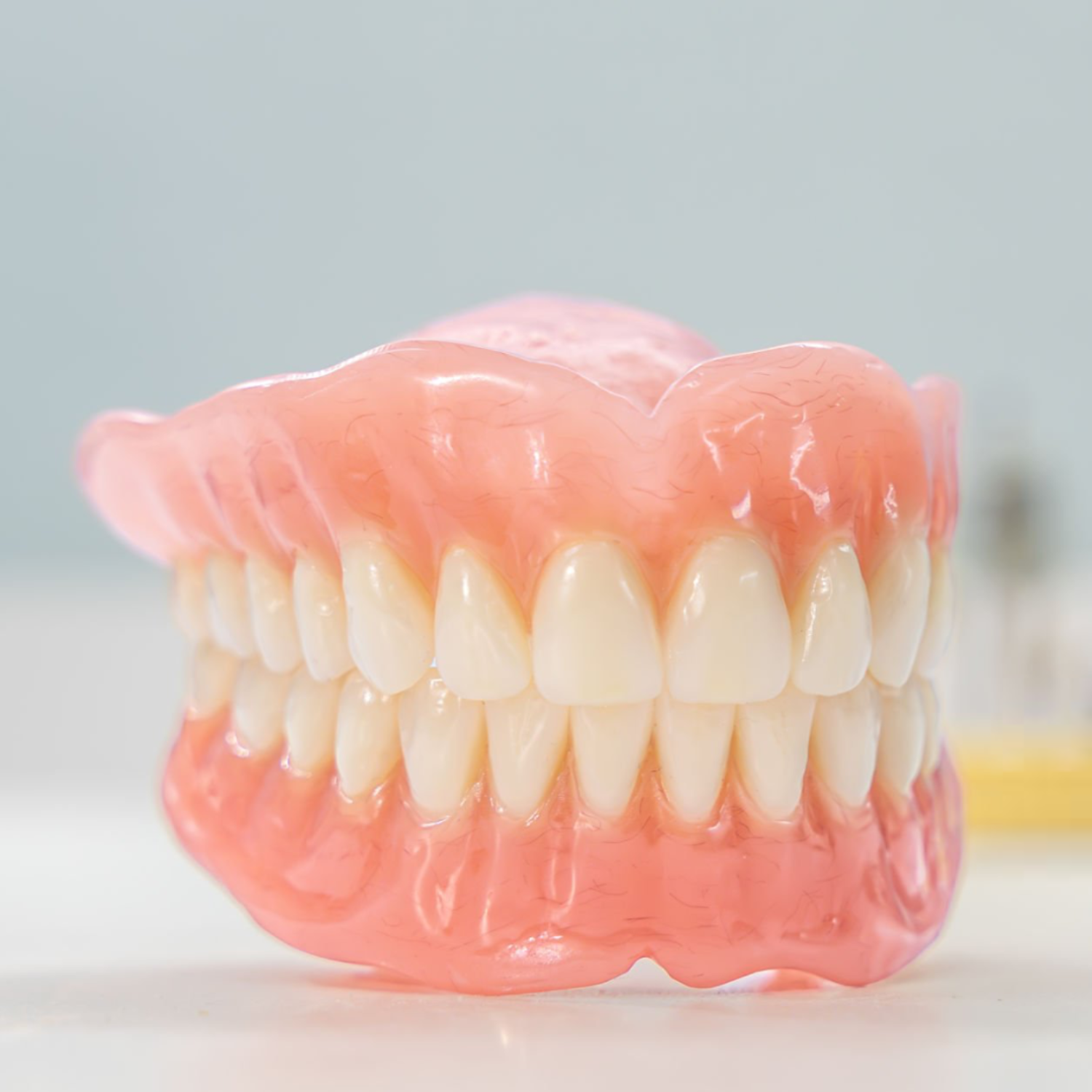
Dentures are removable dental appliances designed to replace missing teeth and surrounding gum tissues. They are custom-made to fit the patient’s mouth and help restore basic functions such as chewing and speaking.

Dentures can replace either a full set of teeth or only a few missing teeth. Advances in dental materials and design have improved denture comfort, durability, and appearance, making them a widely used solution for tooth replacement.

Dentures fall into two broad categories:

- Complete dentures – replacing all teeth in an arch (upper or lower jaw). these usually rest on the gums, but can have additional grip if they clip into implants

- Partial dentures – filling spaces where only some teeth are missing, supported by the teeth, gums, both teeth and gums, or by dental implants also.

Denture options available

Every patient’s case is different, which is why modern dentistry offers a wide range of denture types.

1. Traditional removable dentures

1. Traditional removable dentures

  • Full dentures – replace all teeth in an arch and rest on the gums.
  • Partial dentures – replace a few missing teeth, may just rest on the gums, or be attached to natural teeth with small clasps or clips
  • Immediate (temporary) dentures – placed right after tooth extraction, so you never go without teeth during healing.
  • Flexible dentures – made from softer materials for increased comfort and a more natural fit.
2. Fixed dentures and bridges

2. Fixed dentures and bridges

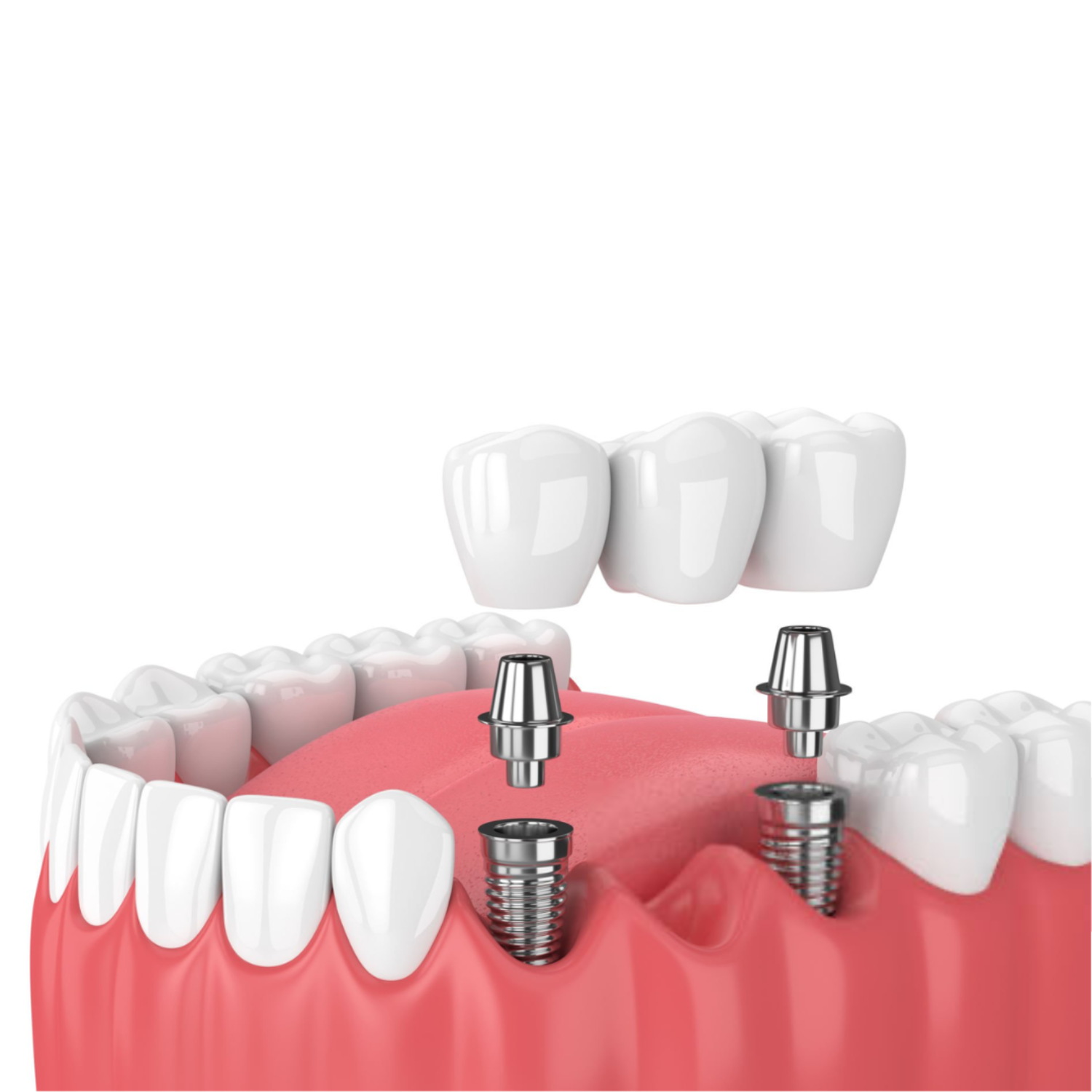
  • Fixed bridges – a permanent solution that attaches an artificial tooth or teeth to neighbouring natural teeth.
  • Resin-retained bridges – a minimally invasive option using resin and a supporting framework bonded to the back of existing teeth.
3. Overdentures

3. Overdentures

  • Designed to sit over natural tooth roots or implants for added stability.
  • Help to preserve jawbone structure better than traditional dentures.
4. Implant-related dentures

4. Implant-related dentures

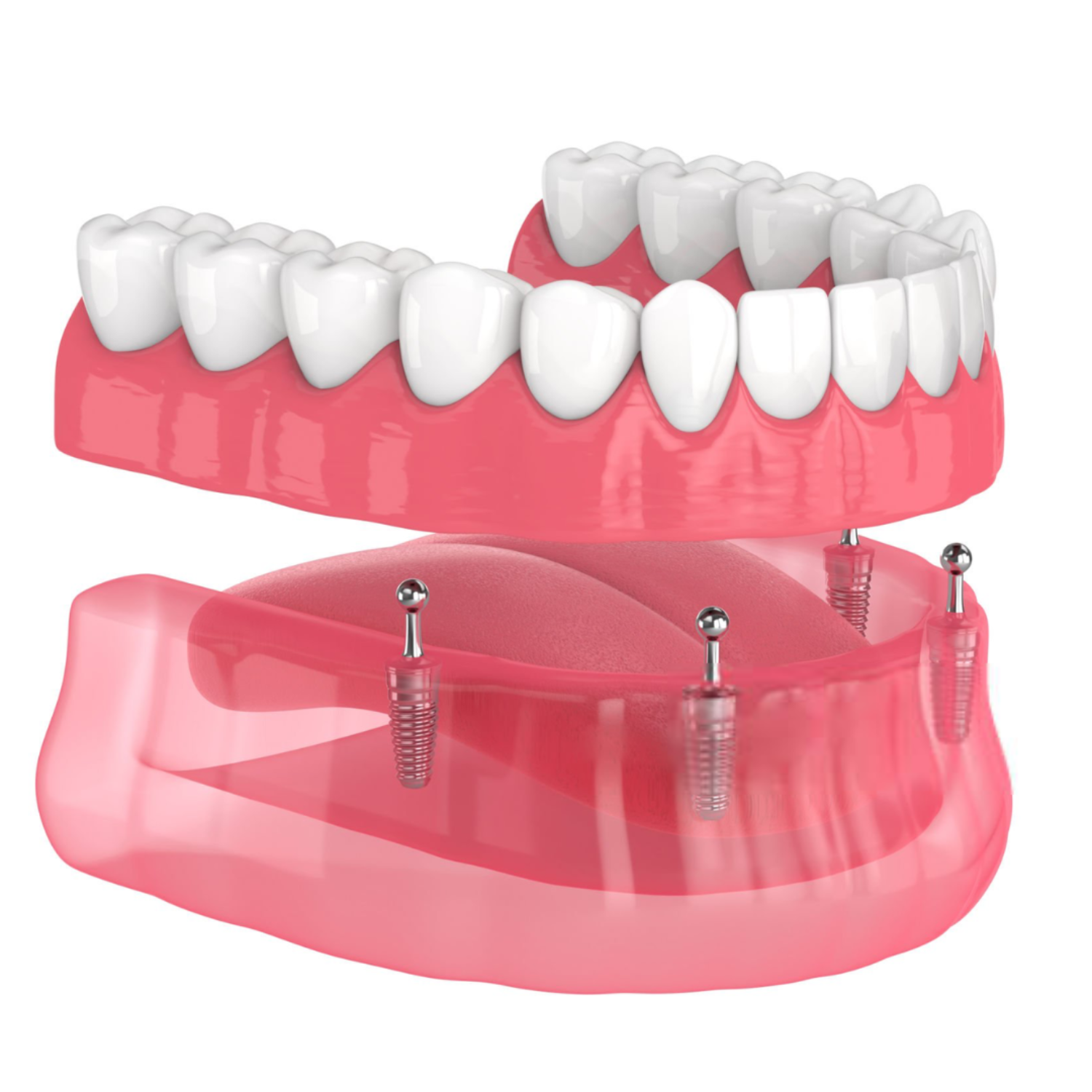
  • Implant-retained (snap-in) dentures – removable dentures that click securely into implants placed in the jawbone.
  • Bar-retained dentures – supported by a thin metal bar attached to implants; the denture clips securely in place.
  • Ball-retained dentures – use ball-and-socket attachments between the implant and denture for excellent stability.
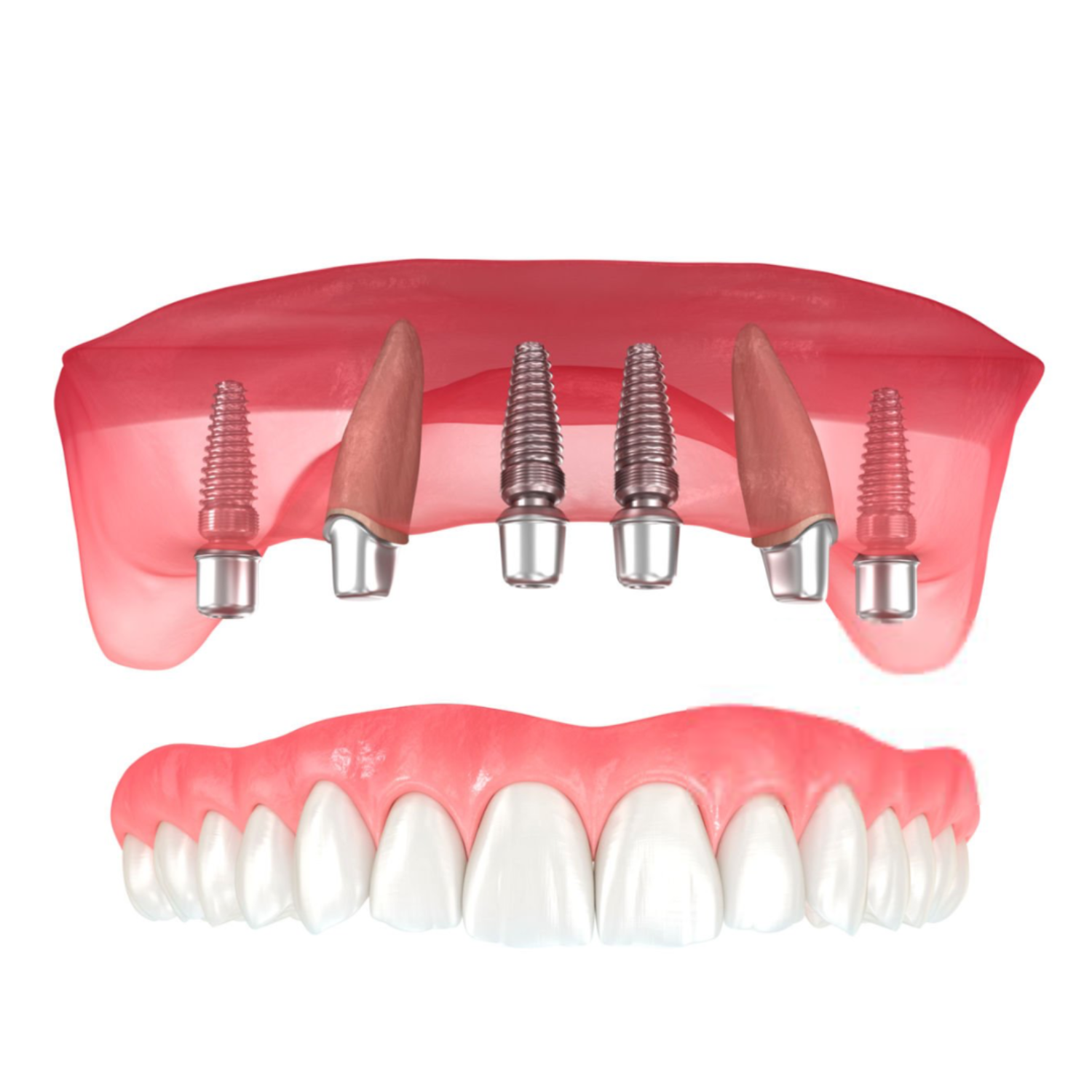
  • Implant-supported fixed dentures (All-on-4 or All-on-6) – a permanent solution anchored to implants; only your dentist can remove them. They feel and function most like natural teeth.

What Happens When Getting Dentures?

The process of receiving dentures typically involves several stages.

  1. Initial assessment – The dentist examines the mouth and discusses treatment options.
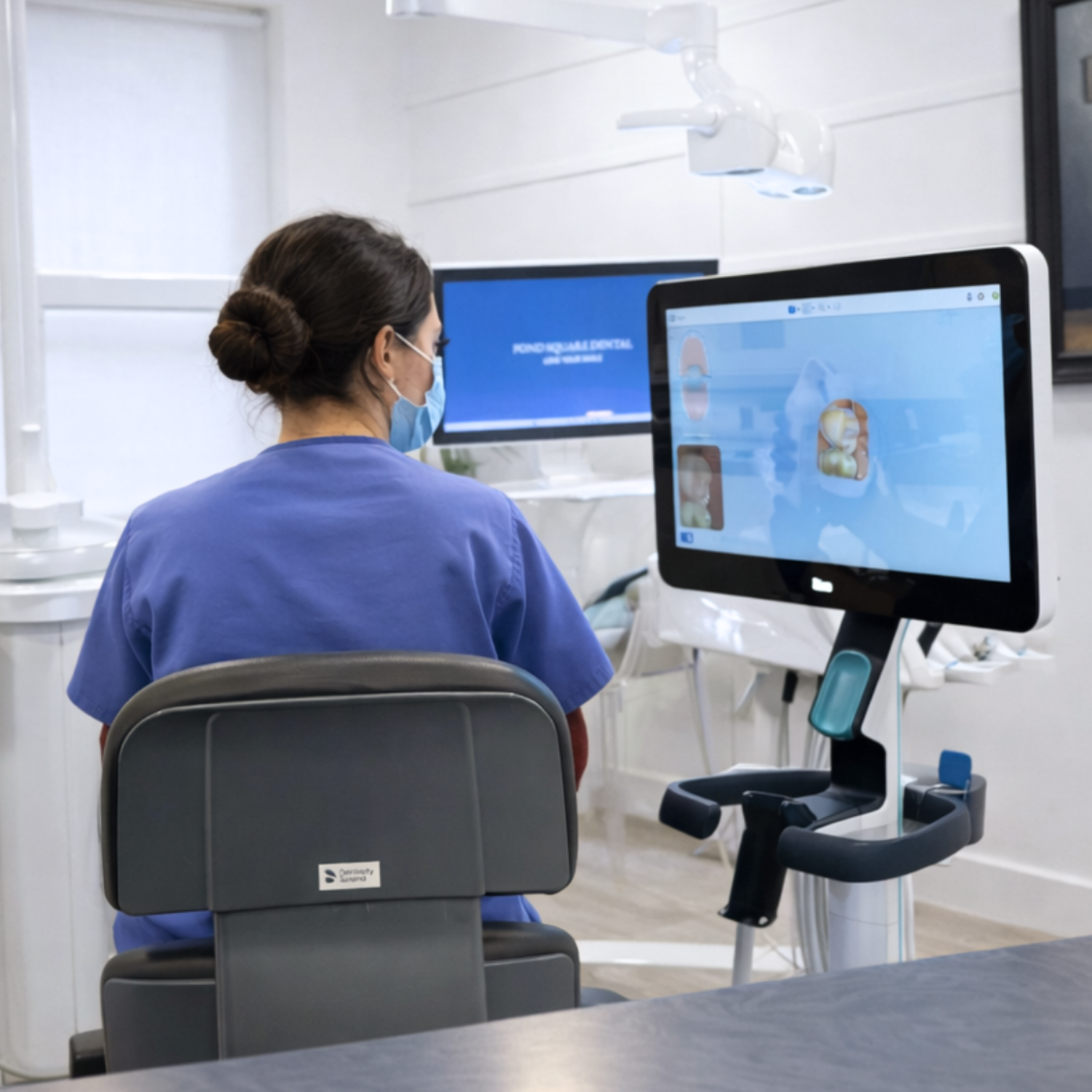
  2. Impressions or scans – Measurements of the mouth are taken to create custom dentures.
  3. Denture fabrication – The dentures are produced in a dental laboratory.
  4. Fitting appointment – The dentures are placed and adjusted for comfort and fit.
  5. Follow-up adjustments – Minor adjustments may be required as the mouth adapts.

The process ensures that dentures fit comfortably and function effectively.

Why consider dentures?

Dentures are not just about replacing missing teeth—they play an important role in maintaining oral and general health. Their advantages include:

  • Restored function – allowing you to chew effectively and speak clearly.
  • Aesthetic improvement – natural-looking replacements that restore a confident smile.
  • Support for facial structure – preventing the sagging or hollow appearance that often accompanies tooth loss.
  • Choice and flexibility – from affordable traditional dentures to advanced implant-supported solutions.
Dentures versus dental implants: A closer look

Dentures versus dental implants: A closer look

Many patients in Highgate ask whether dentures or implants are the better solution. Both have advantages:

  • Dentures are less invasive, quicker to fit, and often more cost-effective. Implant-retained dentures offer an excellent compromise between cost and stability.
  • Dental implants, by contrast, are fixed in place and behave much like natural teeth. They do, however, require surgery, healthy bone support, and a higher investment of time and cost.

The right solution depends on your oral health, long-term goals, and budget. At Pond Square Dental, we provide personalised guidance to help you make an informed choice.

Caring for dentures

Longevity and comfort depend on proper maintenance.

We recommend:

  • Cleaning dentures daily with a soft brush and non-abrasive denture cleanser.
  • Removing dentures overnight to rest your gums.
  • Keeping dentures moist to prevent drying and warping.
  • Attending regular dental check-ups in Highgate to ensure oral tissues remain healthy and dentures continue to fit well.

Dentures as an Alternative When NHS Implants Are Not Available

For many patients, dental implants are not routinely available through NHS dentistry. In that situation, dentures remain an important alternative for replacing missing teeth.

Dentures in Highgate: A step towards renewed confidence

Dentures remain one of the most effective, versatile, and accessible tooth replacement solutions in North London. Whether you choose conventional or implant-retained dentures, the result is the same: restored function, aesthetics, and confidence.

If you are considering dentures in Highgate, book a consultation at Pond Square Dental. Our experienced team will assess your needs, explain your options, and guide you towards the best solution for your smile.

Removable & Partial Dentures
Treatments

Removable & Partial Dentures

Removable prosthetic devices constructed to replace missing teeth

Find out more

More
from the blog

Why Don’t My Teeth Line Up Properly?
Blog /Advice

Why Don’t My Teeth Line Up Properly?

Understanding Bite Problems, Misalignment and Treatment Options

Read more
Tooth Decay in Adults
Blog /Advice

Tooth Decay in Adults

Signs, Causes, Treatment, and Can It Be Reversed?

Read more
Do I Need a Root Canal?
Blog /Advice

Do I Need a Root Canal?

Signs, Symptoms and When to Act

Read more
20 Years of Smiles
Blog /News

20 Years of Smiles

Smile Transformation Community Initiative

Read more
Children’s Dental Space Maintainers
Blog /Advice

Children’s Dental Space Maintainers

Protecting space for developing permanent teeth

Read more
Hygiene Cleaning vs Periodontal Treatment
Blog /Advice

Hygiene Cleaning vs Periodontal Treatment

Understanding the difference between routine cleaning and gum disease treatment.

Read more