
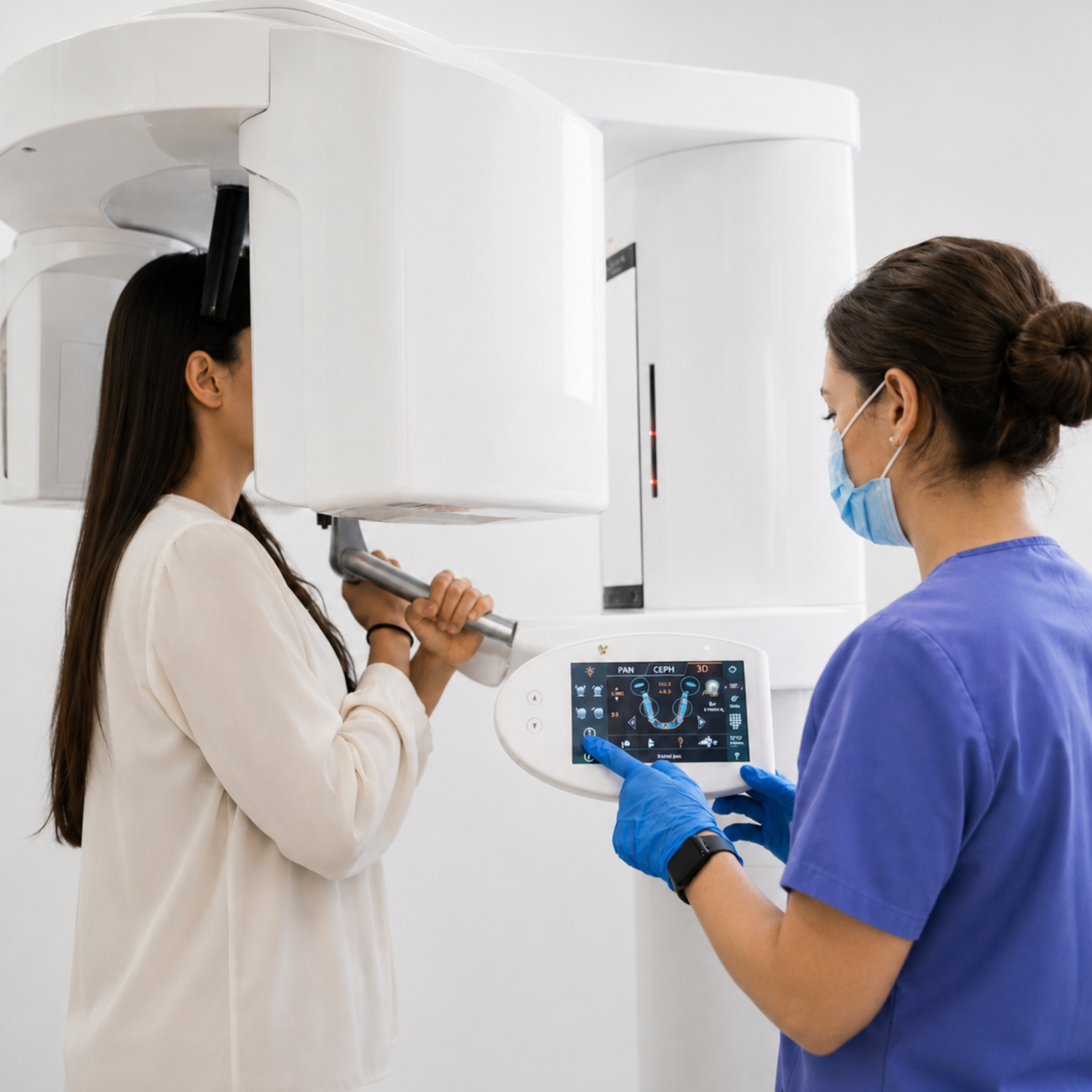
Dental X-rays are low-dose images that help dentists check areas of the teeth, gums and jawbone that cannot be fully assessed during a routine visual examination.
Dental X-rays may help detect:
- Tooth decay between teeth
- Infections around tooth roots
- Bone loss caused by gum disease
- Cracks or fractures
- Impacted wisdom teeth
- Problems beneath fillings or crowns
Modern dental X-rays use very low levels of radiation and are only recommended when clinically necessary.
Dental X-rays are an important diagnostic tool and form part of preventative dental care. They can also help dentists identify problems at an earlier stage before symptoms become more severe.
Are Dental X-Rays Safe?
Many patients worry about radiation from dental X-rays.
The amount of radiation used in routine dental X-rays is extremely small and comparable to normal background radiation that people are exposed to naturally in everyday life. They are also considered safe when clinically justified and carried out in line with UK radiation protection regulations.
They are recommended when the dentist needs additional diagnostic information that cannot be gained from a visual examination alone.
In the UK, dentists follow strict safety guidance and only recommend X-rays when the expected benefit outweighs the small radiation risk.
Dental teams are trained in radiation protection and follow the ALARP principle, which means keeping radiation exposure “As Low As Reasonably Practicable”.
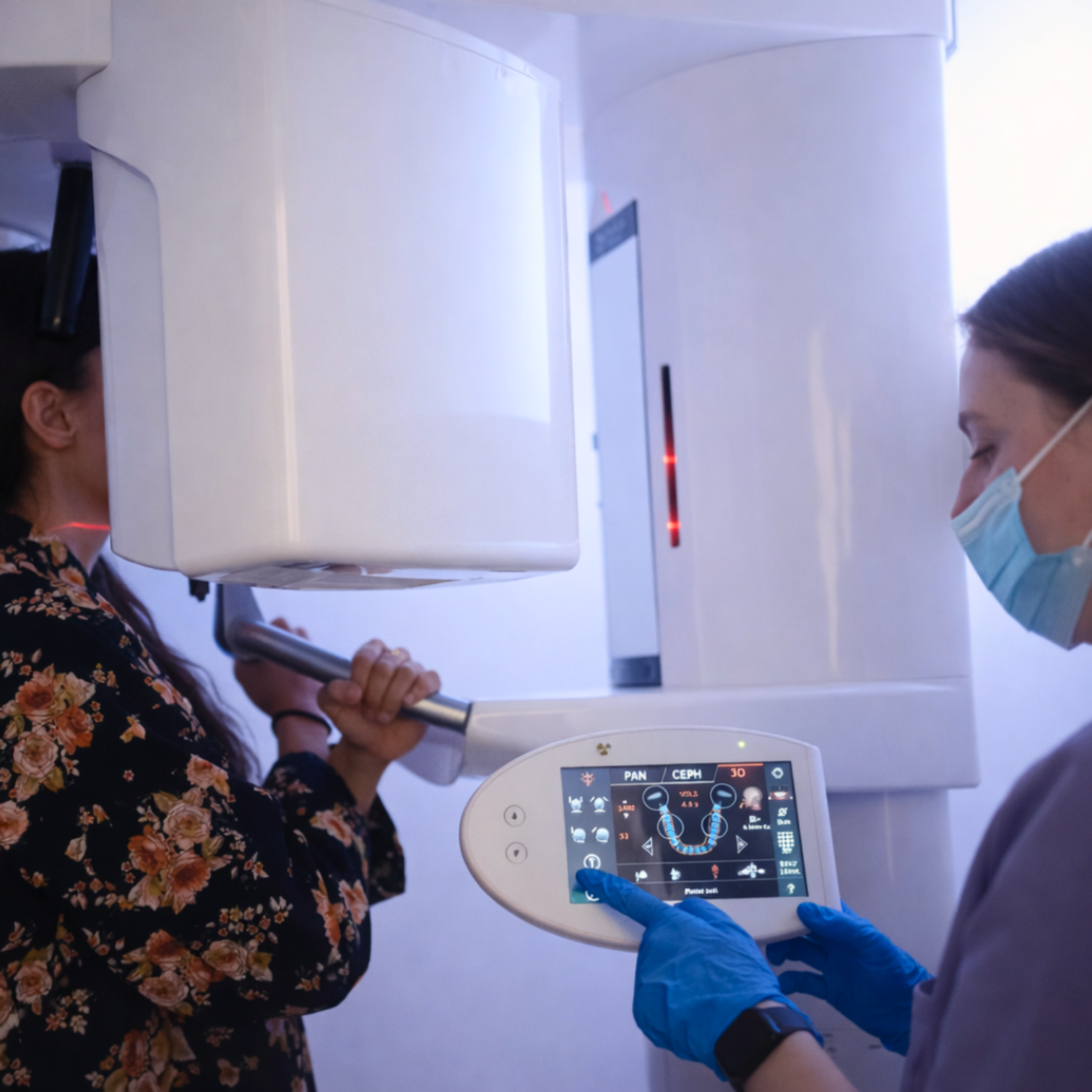
Why Dentists Use Dental X-Rays
Dental X-rays help identify:
- Tooth decay between teeth
- Infections around tooth roots
- Bone loss caused by gum disease
- Cracks or fractures
- Impacted wisdom teeth
- Problems beneath fillings or crowns
- Monitoring developing teeth in children and teenagers
- Assessing bone levels before certain treatments
- Checking healing after dental procedures
Some dental problems develop silently before symptoms appear. X-rays can sometimes help detect issues earlier and reduce the need for more complex treatment later.
Early diagnosis will help patients avoid pain, swelling, tooth loss, or emergency dental treatment.
How Much Radiation Is in a Dental X-Ray?
Routine dental X-rays involve low levels of radiation. Modern digital systems use much lower doses than older film-based systems.
Dentists also reduce exposure by:
- Taking X-rays only when necessary
- Using digital imaging
- Limiting the imaging area
- Avoiding unnecessary repeat X-rays
The radiation dose from a routine dental X-ray is very low compared with many medical imaging procedures performed in hospitals.
Dental Imaging Type | Relative Radiation Exposure | Common Use |
Bitewing X-rays | Very low | Detecting decay between teeth |
Periapical X-rays | Very low | Assessing pain or infection |
Panoramic X-ray | Low | Wisdom teeth and jaw assessment |
CBCT scan | Higher than routine dental X-rays | Implant and surgical planning |
Types of Dental X-Rays
Bitewing X-Rays
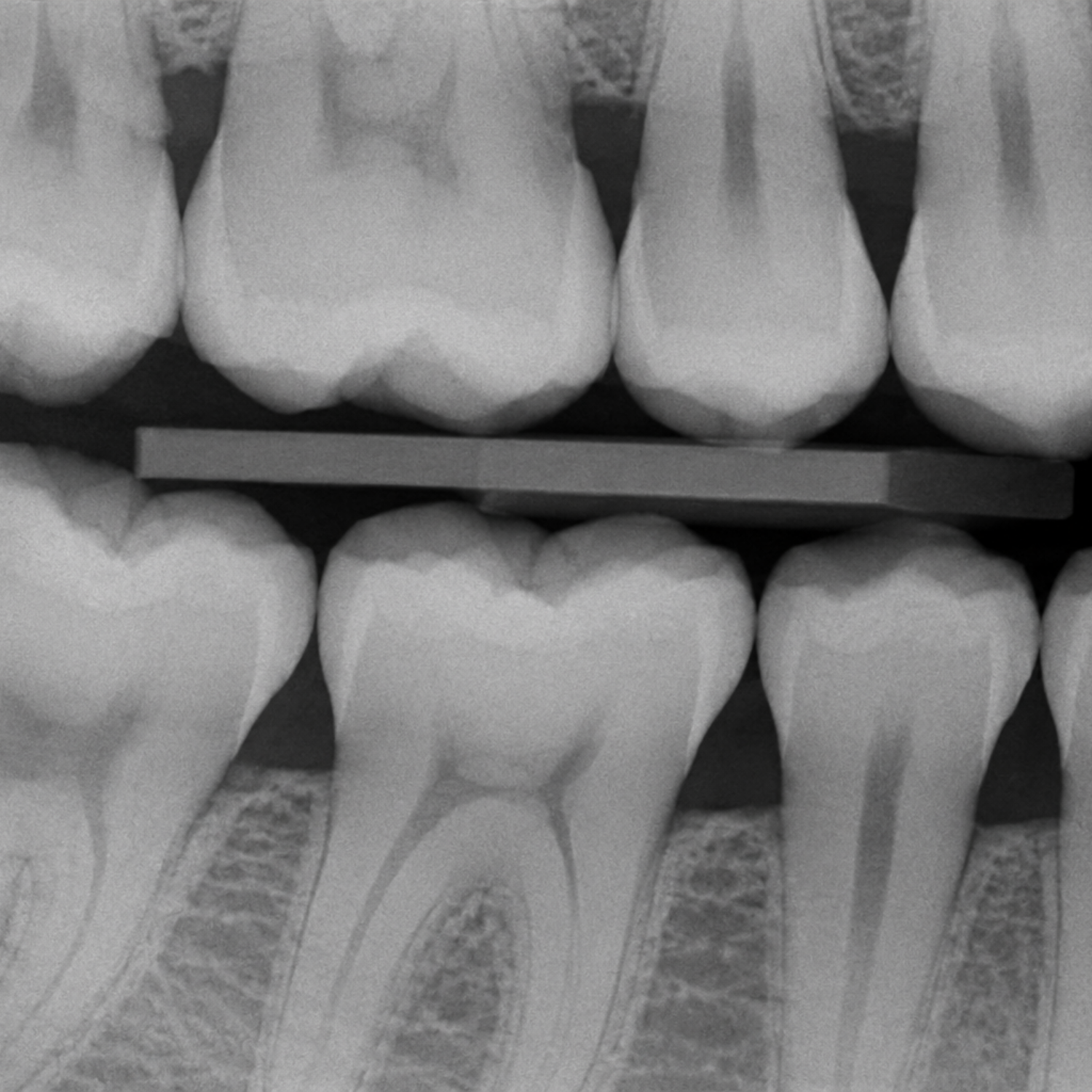
Bitewing X-rays show the upper and lower back teeth together in one image.
They are mainly used to detect decay between teeth and monitor changes over time.
Bitewing X-rays are often recommended at routine check-ups for patients with a higher risk of tooth decay.
Patients should know:
- Quick and low-dose
- Common during routine examinations
- Does not show the full tooth root
Periapical X-Rays
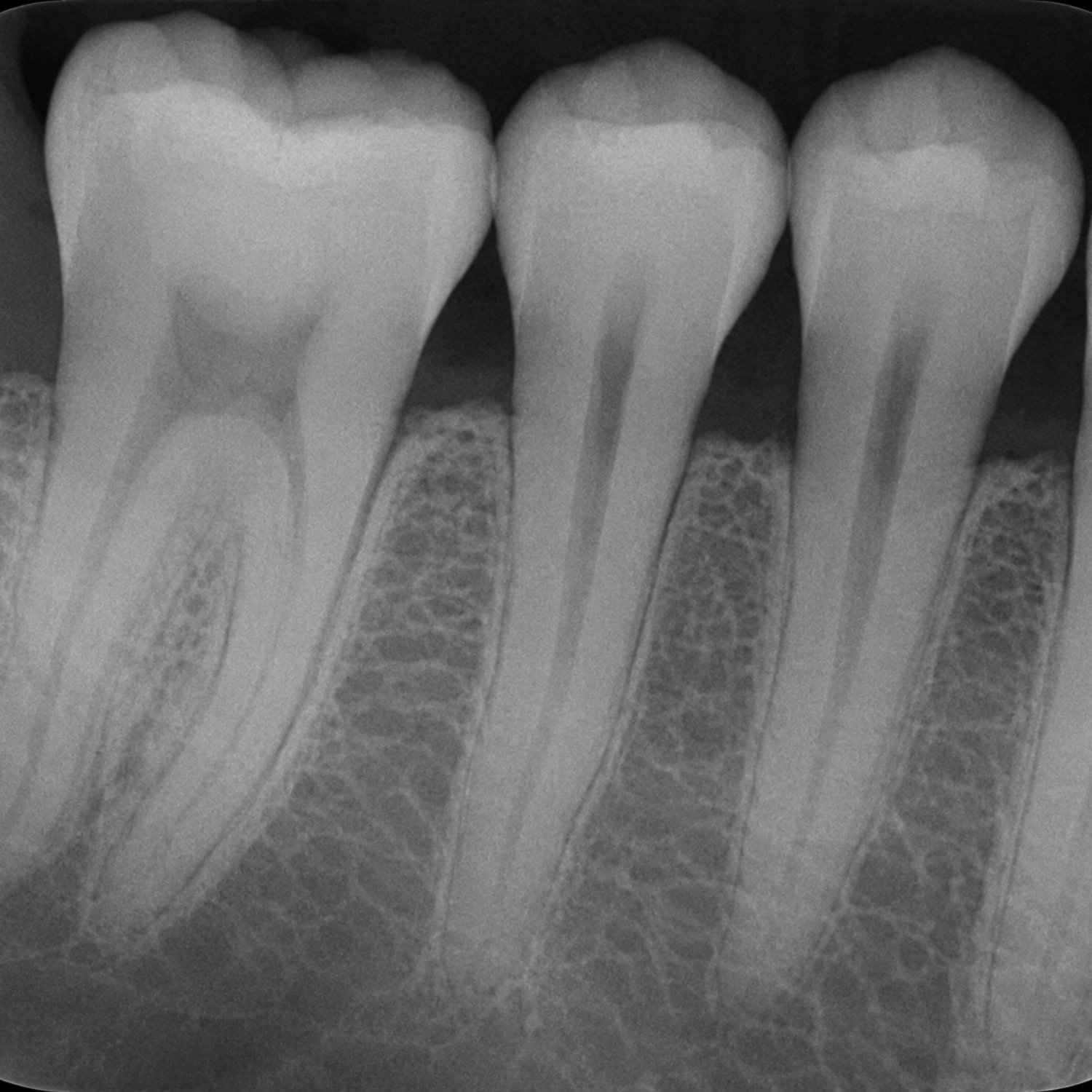
Periapical X-rays show the entire tooth from crown to root, including the surrounding bone.
Dentists often use them to investigate pain, infection, or root problems.
These X-rays provide a more detailed view of an individual tooth and surrounding bone than bitewing X-rays.
Patients should know:
- Useful for diagnosing infection
- Focused on one area
- Common before root canal treatment
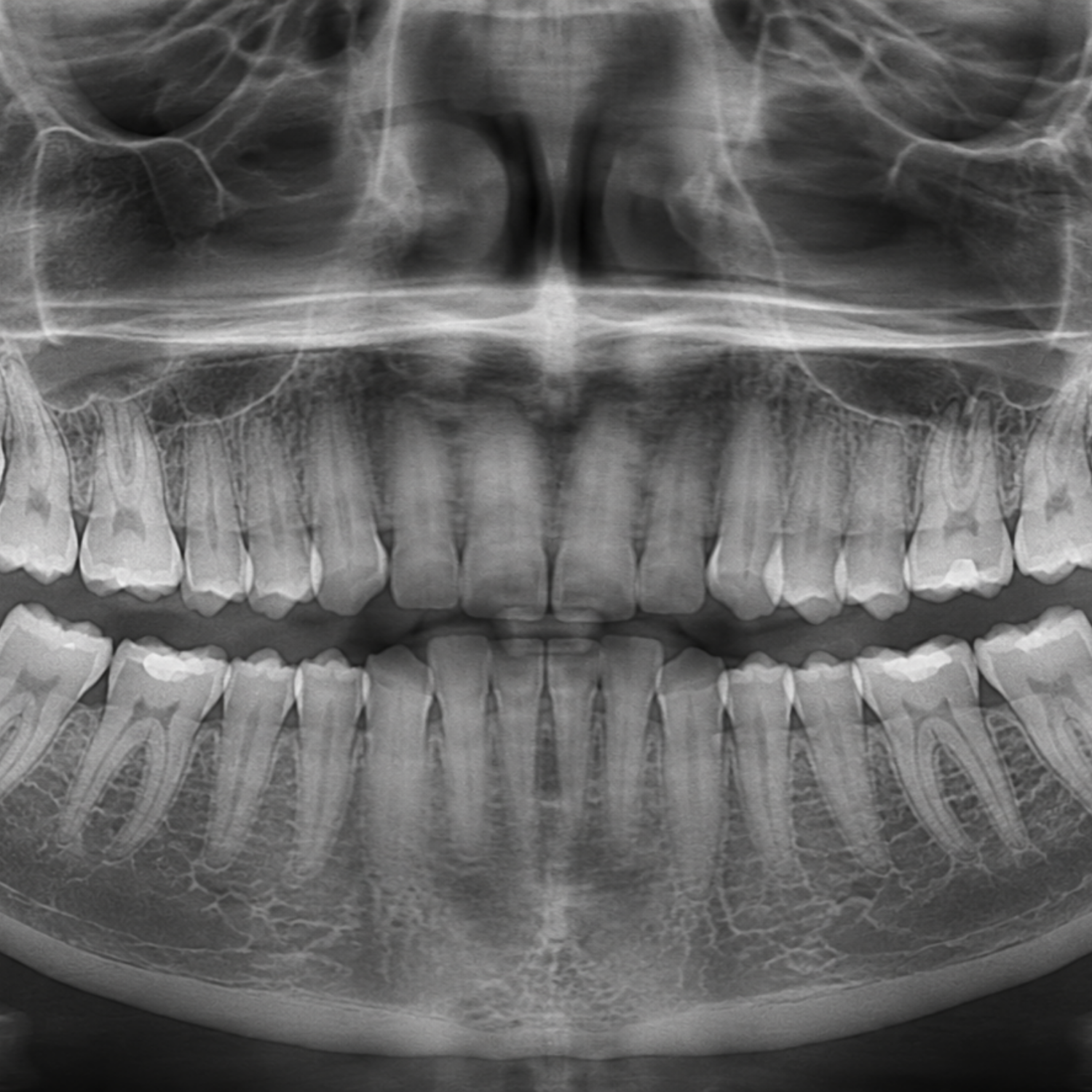
Panoramic X-Rays
Panoramic X-rays capture the entire mouth and jaws in one image.
Panoramic X-rays are taken outside the mouth, which some patients find more comfortable than small intraoral X-rays.
They are commonly used for:
- Wisdom tooth assessment
- Orthodontic planning
- Dental implant planning
Patients should know:
- Comfortable and quick
- Covers the whole mouth
- Less detailed for small cavities
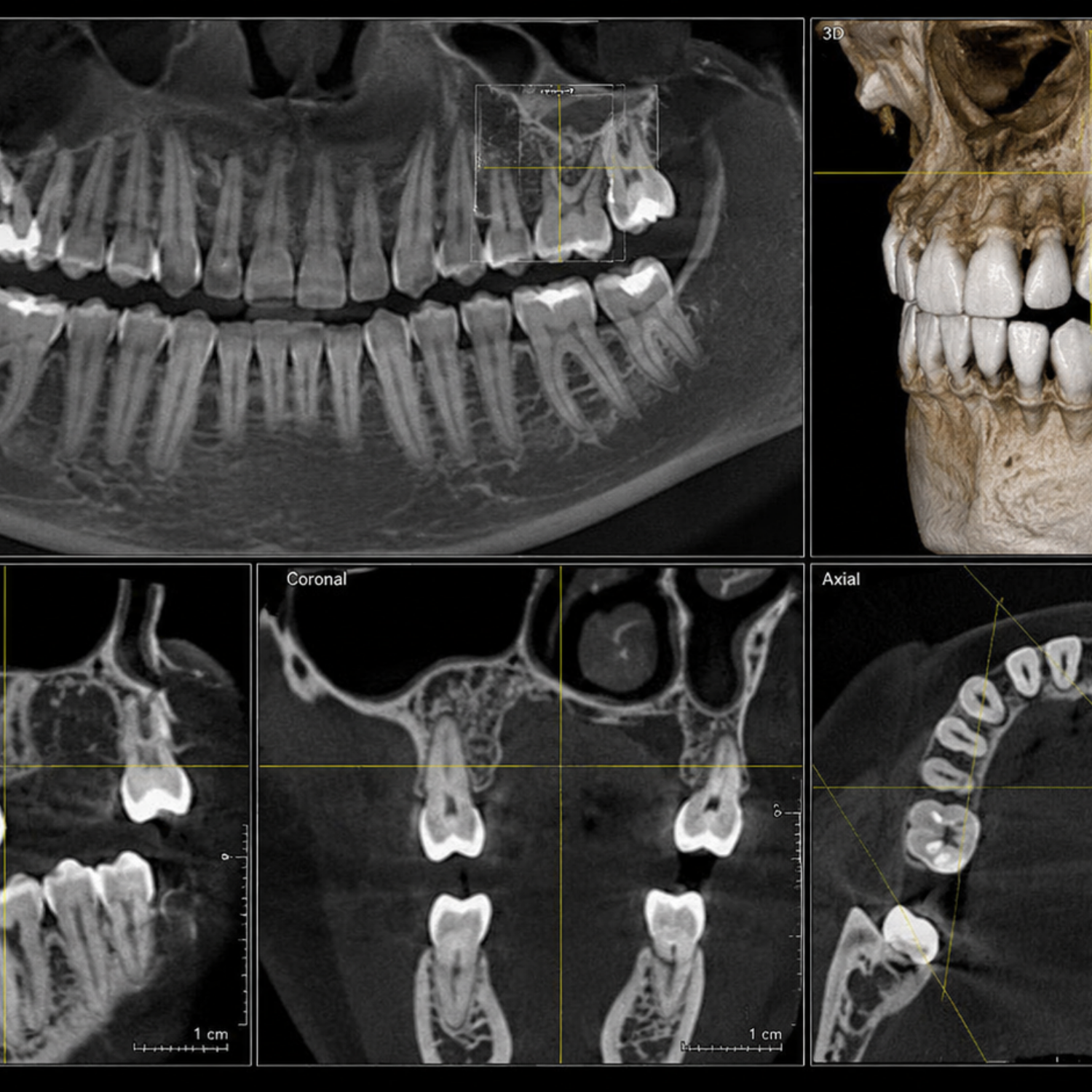
CBCT Scans
CBCT scans create detailed 3D images of the teeth, jawbone, and surrounding structures.
They are usually used for:
- Dental implants
- Oral surgery
- Complex root canal treatment
Because CBCT scans involve more radiation than routine dental X-rays, they are generally reserved for more complex cases where additional 3D imaging is clinically justified.
CBCT imaging provides significantly more detail than standard dental X-rays and can improve treatment planning accuracy in selected cases.
Patients should know:
- Produces highly detailed images
- Often used before surgery or implants
- Not needed for routine check-ups
Are Dental X-Rays Safe During Pregnancy?
Dental X-rays may still be taken during pregnancy if they are clinically necessary, particularly in cases of pain, infection, or urgent dental treatment.
Patients should always tell the dental team if they are pregnant or think they may be pregnant.
According to UK guidance, necessary dental X-rays can usually be taken safely during pregnancy with appropriate precautions.
Delaying essential dental treatment during pregnancy may sometimes pose a greater risk than the small radiation exposure from dental imaging.
How Often Should Dental X-Rays Be Taken?
There is no fixed schedule for dental X-rays.
The frequency depends on:
- Risk of tooth decay
- Gum disease risk
- Dental pain or symptoms
- Existing fillings or crowns
- Ongoing treatment monitoring
Patients with stable oral health may require X-rays less frequently.
Patients with a higher risk of tooth decay or gum disease may require X-rays more frequently than patients with stable oral health.
UK guidelines recommend that X-ray intervals should be based on an individual patient’s clinical needs and risk assessment.
What happens during a dental x-ray?
Dental X-rays are usually quick and straightforward. Depending on the type of X-ray being taken, the patient may be asked to bite gently onto a small sensor or stand still while the machine rotates around the head.
The procedure normally takes only a few minutes, and most patients can continue with their appointment immediately afterwards.
Conclusion
Dental X-rays are an important part of diagnosing problems that may not be visible during a routine examination.
Modern digital X-rays use low radiation doses, and dentists only recommend imaging when it is clinically necessary.
For most patients, the benefits of early diagnosis and accurate treatment planning outweigh the very small radiation risk associated with modern dental imaging.
Common Questions About Dental X-Rays
Can patients refuse dental x-rays
Patients have the right to ask questions about dental X-rays and can choose whether to proceed with imaging. However, dentists may sometimes be unable to diagnose certain problems accurately without appropriate X-rays.
If X-rays are declined, the dentist will explain any limitations this may place on diagnosis or treatment planning.
No. Dental X-rays are generally painless, although the sensor may feel slightly uncomfortable for a few seconds.
Are dental X-rays safe for children?
Yes. Dentists may recommend X-rays for children to monitor tooth development and identify decay. The type and frequency of X-rays are based on the child’s individual risk and clinical need.
Can dental X-rays detect infection?
Yes. Dental X-rays can help identify infections around tooth roots and areas of bone loss.
Why can’t dentists always see cavities without X-rays?
Decay between teeth or beneath fillings may not be visible during a visual examination alone.
How long do dental X-rays take?
Most dental X-rays take only a few minutes to complete.
Do I need dental X-rays at every check-up?
No. Dentists only recommend X-rays based on individual clinical need and risk assessment.
Can dental X-rays detect gum disease?
Yes. Dental X-rays can help show bone loss around teeth, which may indicate gum disease.
More
from the blog

Blog /News
500 miles. 11,000m of climbing. One important cause.
Together we can make a difference
Read more
Blog /Offers
Free Invisalign Consultations This Summer
Explore clear aligners with complimentary whitening when you start treatment
Read more


Blog /Advice
Why Don’t My Teeth Line Up Properly?
Understanding Bite Problems, Misalignment and Treatment Options
Read more