Pond Square Dental
How Is Cosmetic Dental Treatment Planned?
Blog /Advice

How Is Cosmetic Dental Treatment Planned?

Planning Cosmetic Dental Treatment for Natural, Long-Term Results

The difference between natural-looking cosmetic dentistry and treatment that feels artificial or difficult to maintain often comes down to planning rather than the treatment itself.

Cosmetic dental treatment is not only about appearance. It should also consider functionality, comfort, bite stability, tooth preservation and long-term longevity. Teeth that look attractive but chip easily, feel uncomfortable or are difficult to maintain are rarely good long-term outcomes.

A well-planned cosmetic treatment approach assesses:

  • your teeth and gums
  • bite and jaw function
  • enamel condition
  • facial proportions
  • and your long-term goals before treatment begins

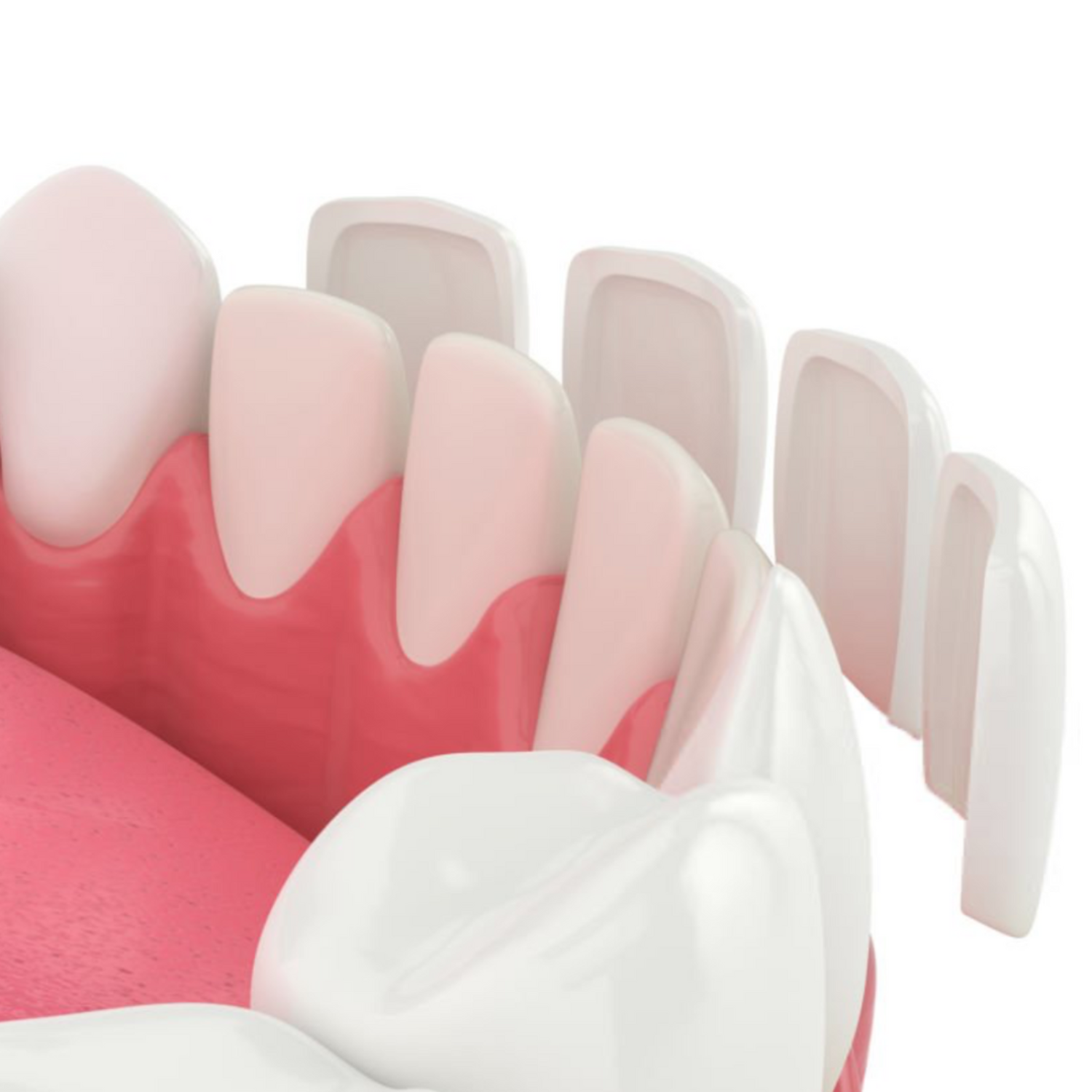
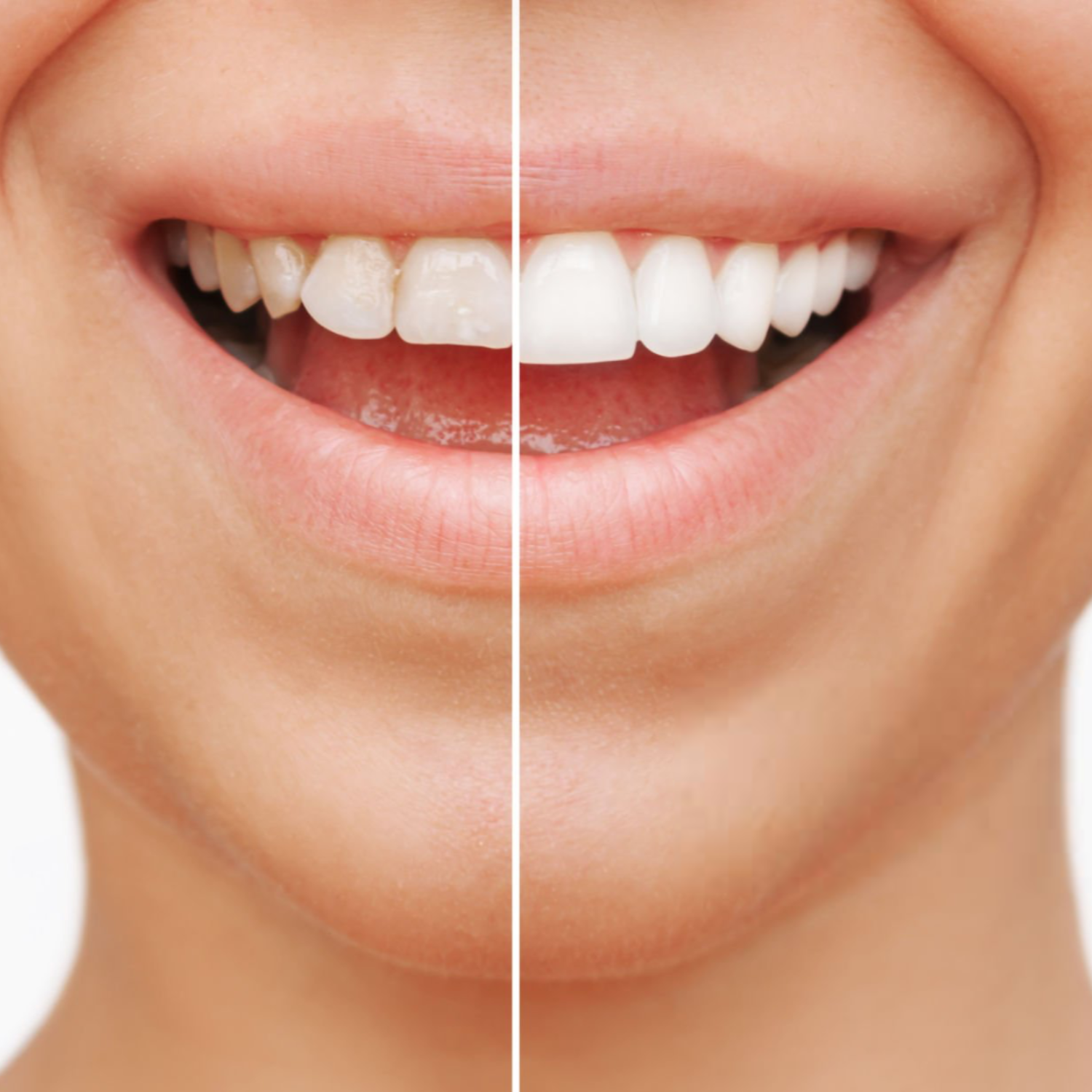
For some patients, whitening, Invisalign or minor composite bonding may achieve the desired improvement without more invasive treatment. Others may benefit from Invisalign, veneers, crowns or more comprehensive restorative planning. The right approach depends on your oral health, bite stability, grinding habits and what you are realistically hoping to achieve.
Why Meticulous Planning is Essential in Cosmetic Dentistry

Why Meticulous Planning is Essential in Cosmetic Dentistry

Cosmetic dentistry is not simply about changing the appearance of teeth. It is about creating a result that looks natural, functions comfortably and remains maintainable long-term.

Many cosmetic concerns can be improved in different ways. For example, gaps may sometimes be treated with orthodontics, bonding or veneers. Crowded teeth may benefit from Invisalign before considering veneers. Worn teeth may require bite stabilisation before cosmetic treatment begins.

Careful planning helps your dentist assess:

  • whether your teeth and gums are healthy,
  • whether your bite is stable,
  • signs of grinding or tooth wear,
  • how much enamel is available,
  • and which treatment is likely to be the most conservative suitable option.

Good cosmetic dentistry should improve aesthetics while also supporting comfort, function and long-term oral health.

Consultation and Comprehensive Smile Assessment

Your cosmetic dental consultation is designed to understand both the condition of your teeth and the type of result you are hoping to achieve.

This may include:

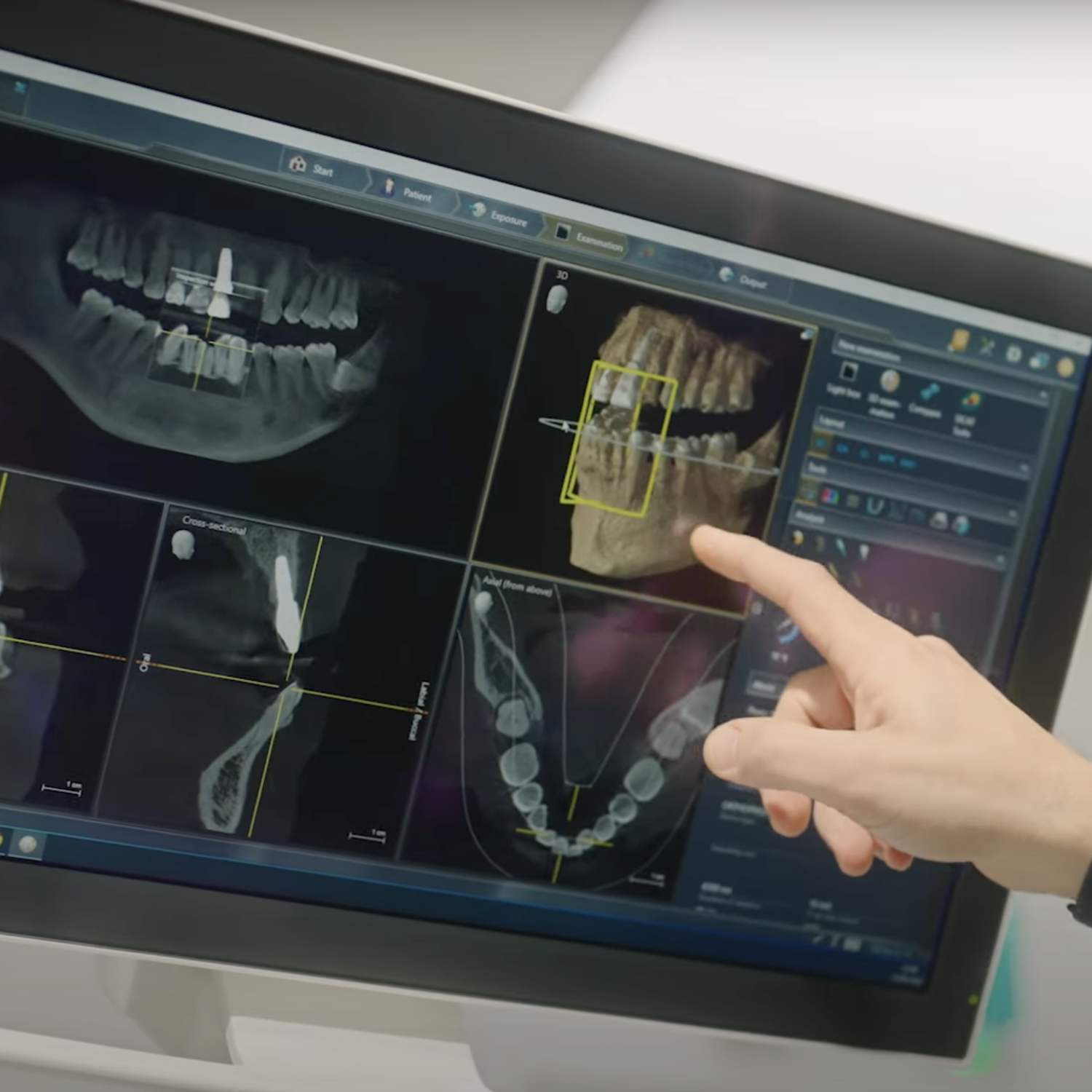
  • High-resolution photographs of your teeth and smile
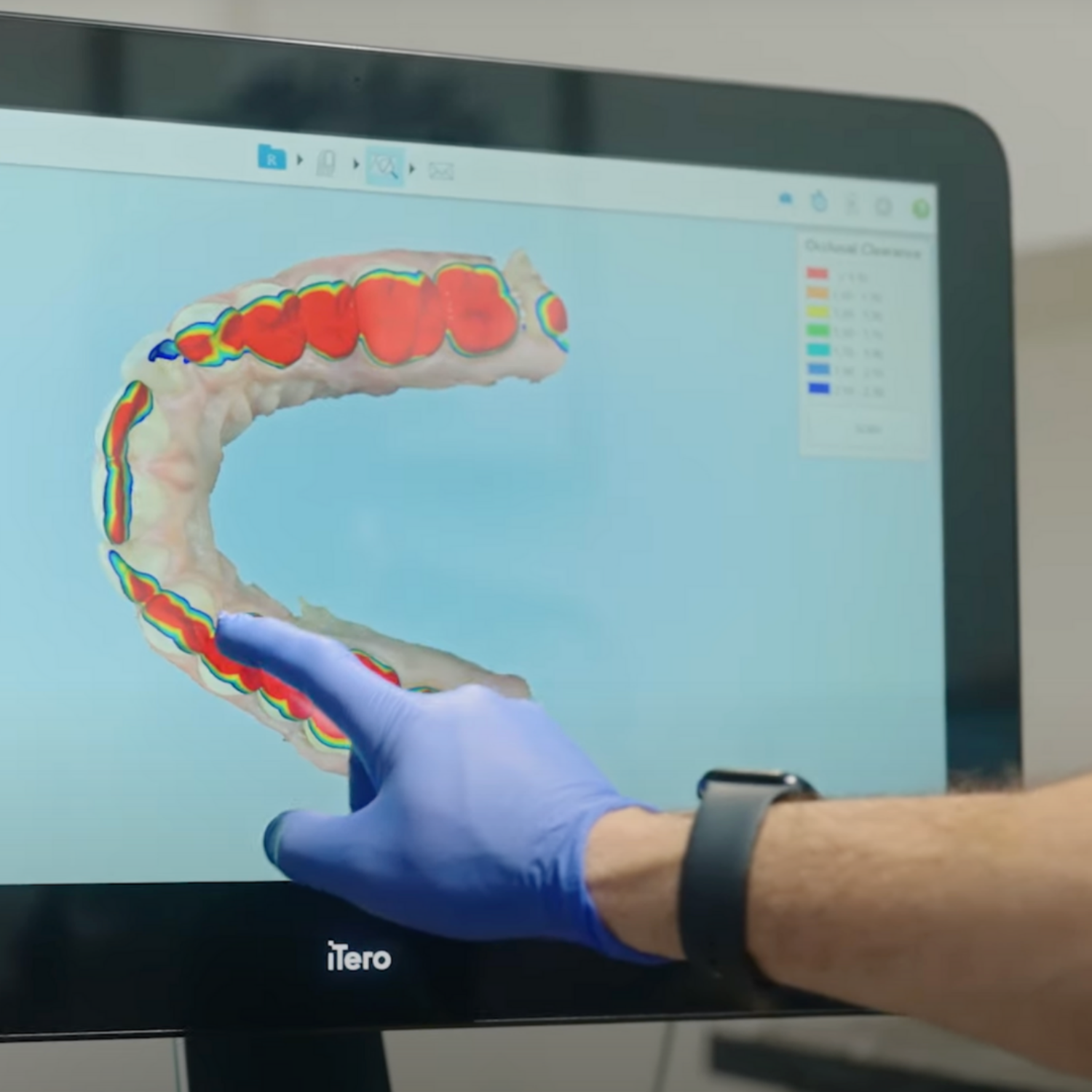
  • Intra-oral scans or digital impressions
  • Bite analysis to assess jaw function and occlusion
  • Smile and facial analysis to evaluate symmetry and proportions
  • Assessment of tooth wear, gum health and existing dental work
  • A discussion about your goals, lifestyle and preferences

This stage also helps identify factors that may affect longevity. For example, untreated grinding, gum inflammation or unstable bite forces can shorten the lifespan of veneers, bonding or crowns.

A good consultation should also include discussion of limitations, not only benefits.

For example:

  • Composite bonding is conservative but may stain or chip over time
  • Veneers can improve shape and colour predictably but may involve enamel preparation
  • Whitening improves natural teeth but does not whiten crowns or fillings
  • Orthodontics may reduce the need to remove healthy tooth structure
Digital Smile Design and Lab Collaboration

Digital Smile Design and Lab Collaboration

Once your goals are clear, the planning process moves into the digital stage.

Using photographs, scans and digital smile design technology, your dentist can assess:

  • tooth shape and proportions,
  • smile symmetry,
  • gum levels,
  • lip movement,
  • and how proposed changes may suit your facial features.

This stage may include:

  • digital smile simulations,
  • wax-up models,
  • and collaboration with a dental laboratory to refine the design.

Digital planning helps improve communication between the patient, dentist and laboratory before treatment begins.

A skilled dental laboratory also plays an important role in creating restorations that look balanced and natural rather than overly uniform or artificial.

Intra-Oral Mock-Up – Preview Your New Smile

One of the most valuable stages of cosmetic treatment planning is the intra-oral mock-up.

Using a temporary and reversible technique, your dentist can create a preview of your proposed smile before permanent treatment begins.

What is an intra-oral mock-up?

What is an intra-oral mock-up?

A tooth-coloured resin is placed over your existing teeth using a custom template based on your proposed smile design.

This allows you to preview:

  • tooth shape,
  • proportions,
  • smile balance,
  • and overall appearance in your own mouth.

No drilling or permanent treatment is usually required at this stage.

What patients gain from this stage

  • The ability to visualise potential changes before committing
  • A better understanding of how the teeth may look and feel
  • The opportunity to request refinements to shape or proportions
  • Improved confidence before moving forward with treatment

Mock-ups can also help assess speech, comfort and facial balance in a more realistic way than photographs alone.

Why Treatment Sequencing Matters in Cosmetic Dentistry

One of the most important parts of cosmetic dental planning is deciding the correct order of treatment.

In many cases, cosmetic treatment works best when underlying issues are stabilised first.

SituationOften considered first
Gum inflammationHygiene and gum treatment
Crowded teethInvisalign or orthodontics
Dark tooth colourWhitening
Grinding or clenchingBite assessment and night guard
Severe tooth wearFunctional rehabilitation

This sequencing can improve:

  • aesthetics
  • longevity
  • comfort
  • and tooth preservation

For example, straightening teeth before veneers may reduce the amount of enamel preparation needed.

Natural-Looking Cosmetic Dentistry Is Usually Conservative

Many patients want cosmetic improvements that look subtle, balanced and natural rather than obviously treated.

Modern cosmetic dentistry often focuses on:

  • preserving enamel where possible,
  • avoiding unnecessary drilling,
  • improving symmetry and balance,
  • and choosing the least invasive suitable option.

In some cases, relatively small changes such as whitening, Invisalign or edge bonding can create significant improvements without aggressive treatment.

A conservative approach may also make future maintenance simpler because more healthy tooth structure remains preserved underneath.

After the Mock-Up: Next Steps in Treatment

Once the mock-up and treatment plan are approved, the next stage depends on the type of cosmetic treatment selected.

If veneers or crowns are chosen:

  • minimal tooth preparation may sometimes be required,
  • impressions or scans are taken,
  • temporary restorations may be fitted,
  • and the final restorations are bonded once completed by the laboratory.

If composite bonding is selected:

  • the approved mock-up may guide the final result,
  • and treatment can often be completed shortly afterwards.

The overall aim is to create a result that looks natural, functions comfortably and remains maintainable long-term.

How Long Does Cosmetic Dental Treatment Last?

No cosmetic dental treatment lasts forever.

Longevity depends on:

  • oral hygiene,
  • bite forces,
  • grinding habits,
  • diet,
  • smoking,
  • maintenance,
  • and the type of treatment performed.

General expectations may include:

TreatmentMaintenance considerations
WhiteningRequires periodic top-ups
Composite bondingMay stain, chip or require polishing
VeneersMay eventually require replacement
CrownsDepend on gum health and bite stability
OrthodonticsRetainers help reduce relapse

A realistic treatment plan should consider not only how teeth will look initially, but also how they will function and age over time. Patients who grind or clench their teeth may also benefit from long-term night guard protection.

Considering Veneers or Crowns in London?

Considering Veneers or Crowns in London?

Choosing a cosmetic dentist is not only about the treatments offered, but also about how carefully treatment is planned. A detailed planning process helps create results that are more natural-looking, functional and maintainable long-term.

At Pond Square Dental, cosmetic treatment planning may include clinical assessment, digital scans, smile design and mock-ups to help patients understand what is realistically achievable before treatment begins.

Whether you are considering whitening, Invisalign, bonding, veneers or crowns, the aim is to help you make an informed decision based on aesthetics, function and long-term oral health.

Ready to start your smile journey?

Book now

More
from the blog

Why Don’t My Teeth Line Up Properly?
Blog /Advice

Why Don’t My Teeth Line Up Properly?

Understanding Bite Problems, Misalignment and Treatment Options

Read more
Tooth Decay in Adults
Blog /Advice

Tooth Decay in Adults

Signs, Causes, Treatment, and Can It Be Reversed?

Read more
Do I Need a Root Canal?
Blog /Advice

Do I Need a Root Canal?

Signs, Symptoms and When to Act

Read more
20 Years of Smiles
Blog /News

20 Years of Smiles

Smile Transformation Community Initiative

Read more
Children’s Dental Space Maintainers
Blog /Advice

Children’s Dental Space Maintainers

Protecting space for developing permanent teeth

Read more
Hygiene Cleaning vs Periodontal Treatment
Blog /Advice

Hygiene Cleaning vs Periodontal Treatment

Understanding the difference between routine cleaning and gum disease treatment.

Read more