Dental anxiety is very common, and many patients feel nervous about treatment. Sedation dentistry allows you to receive the care you need in a calm and relaxed state. We provide three recognised forms of sedation: inhalation sedation, oral sedation, and intravenous (IV) sedation.
Each method works in a different way and is suitable for different levels of anxiety and types of procedure. This guide explains what each option involves, how long its effects last, and what to expect afterwards.
What is Inhalation Sedation?
What it is:
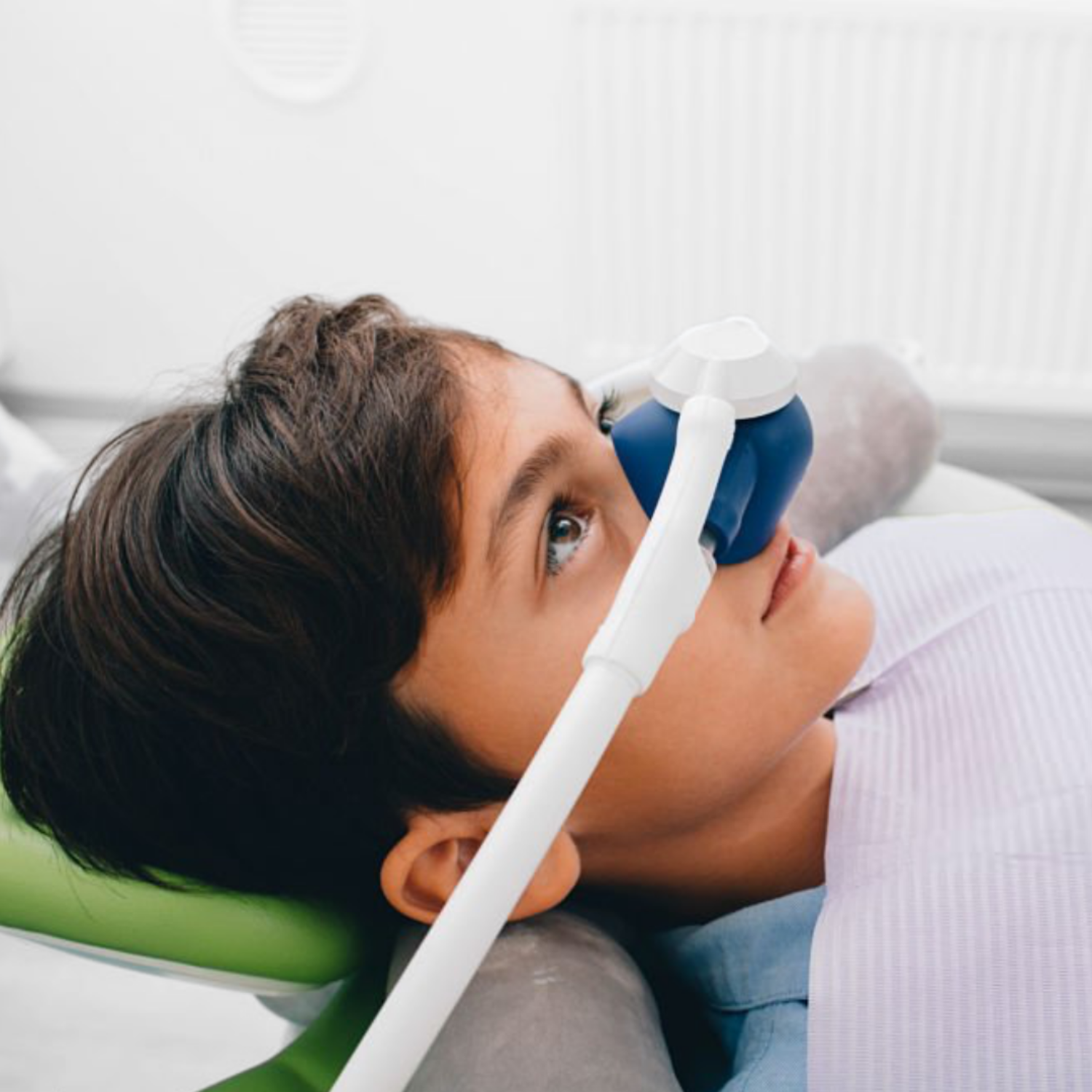
Inhalation sedation, sometimes called “nitrous oxide” or “laughing gas,” involves breathing a carefully controlled mixture of nitrous oxide and oxygen through a small mask that fits comfortably over your nose.
What to expect:
- You will begin to feel relaxed within a few minutes.
- You remain awake and able to talk to your dentist throughout.
- Once the gas is stopped, the effects wear off quickly—usually within five to ten minutes.
After treatment:
Because recovery is so fast, most patients are able to leave the surgery unaccompanied and continue their normal activities, including driving and working, shortly afterwards.
Possible side effects:
Some patients experience mild light-headedness or tingling in the hands and feet, but these effects disappear almost immediately once breathing normal air again.

What is Oral Sedation?
What it is:
Oral sedation is achieved by taking a prescribed sedative tablet before your appointment. The medicine helps reduce anxiety and creates a sense of calm while keeping you awake and able to respond.
What to expect:
- The sedative is usually taken about an hour before treatment.
- You will feel relaxed and slightly drowsy but will still be conscious.
- Local anaesthetic may still be used to prevent discomfort during the procedure.
After treatment:
Because the sedative can stay in your system for several hours, you will need someone to accompany you to and from your appointment. You should not drive, operate machinery, or return to work for the rest of the day.
Possible side effects:
Drowsiness, slower reaction times and temporary forgetfulness are common. These effects normally wear off within 12 to 24 hours.
Intravenous (IV) Sedation
What it is:
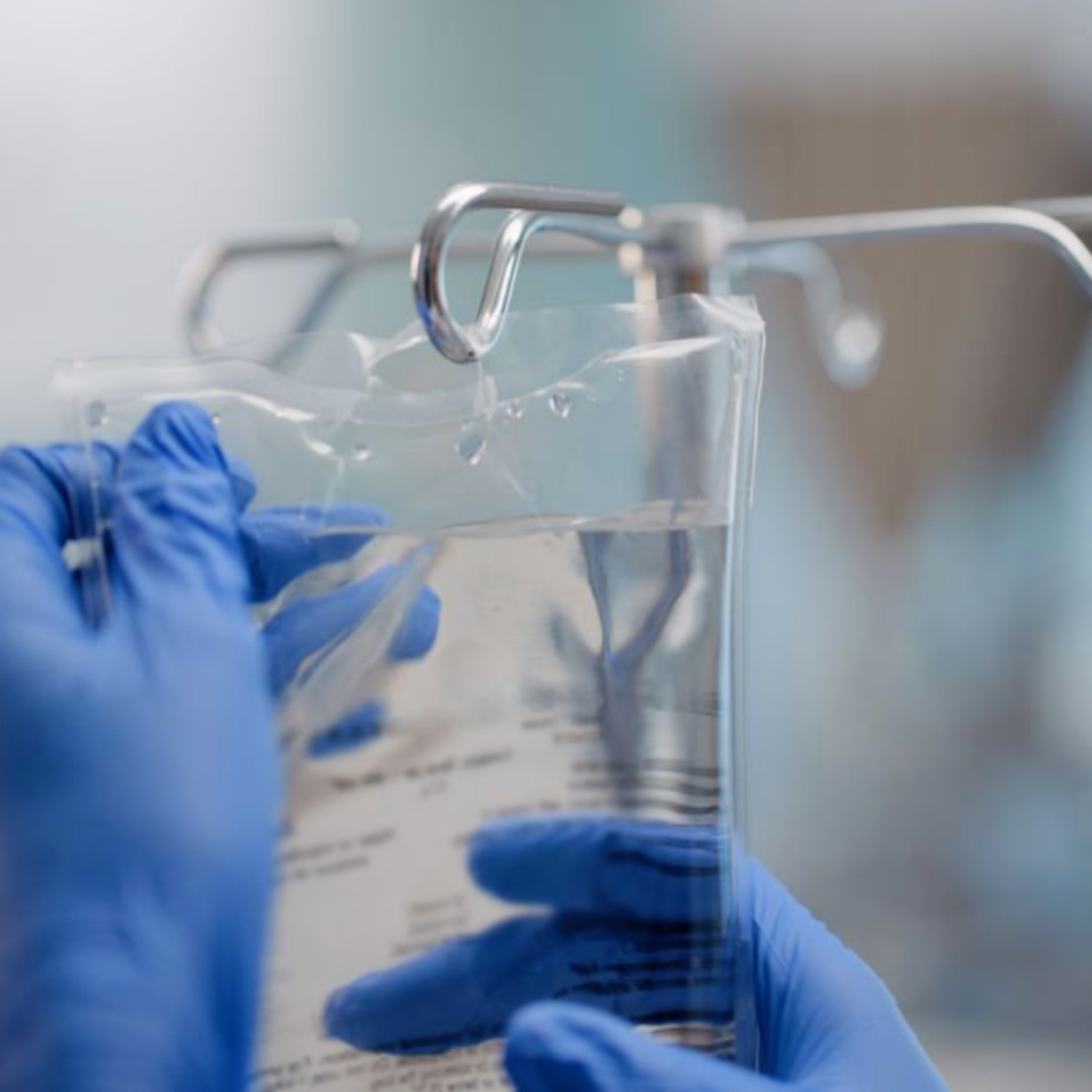
IV sedation delivers the sedative directly into your bloodstream through a small needle, usually in your arm or hand. It allows for a deeper level of relaxation than inhalation or oral sedation.
What to expect:
- The sedative works quickly, and the dentist can adjust the dose during treatment.
- You remain conscious but are deeply relaxed and may not remember much about the procedure.
- Monitoring equipment is used throughout to ensure your safety.
After treatment:
The effects of IV sedation can take several hours to wear off. You will need someone to escort you home and stay with you for the remainder of the day. You must not drive, drink alcohol, or make important decisions until the next day.
Possible side effects:
Some patients experience temporary drowsiness, mild dizziness, or a brief period of amnesia. Serious side effects are very rare when sedation is administered by trained professionals.
Who may be suitable for dental sedation?
Dental sedation may be suitable if anxiety, a strong gag reflex or difficulty coping with treatment makes dental care feel overwhelming. It can be especially helpful for nervous patients, longer appointments or more involved procedures such as oral surgery, dental implant treatment or multiple extractions.
Sedation may be considered if you:
- feel very nervous before or during dental treatment
- have avoided the dentist because of anxiety or a previous difficult experience
- have a strong gag reflex that makes treatment harder
- struggle to sit still for longer appointments
- need a longer or more complex procedure
- find dental treatment difficult even when the area is fully numbed
- need several treatments carried out in a calmer, more controlled way
Sedation does not replace local anaesthetic. In most cases, the tooth or gum still needs to be numbed so the procedure itself is comfortable. Sedation helps you feel calmer, less aware of the appointment and better able to tolerate treatment.
Who may not be suitable for dental sedation?
Dental sedation is not suitable for everyone. Before recommending it, your dentist will assess your general health, current medications, anxiety level and the treatment planned. This helps decide whether sedation is appropriate and, if so, which method is safest.
Sedation may not be suitable, or may need further medical advice, if you:
- are pregnant or breastfeeding
- have certain breathing or respiratory conditions
- have complex medical conditions
- take medications that may interact with sedatives
- have a history of alcohol or recreational drug use that could affect sedation safety
- cannot arrange a responsible adult to take you home after oral or IV sedation
- have had a previous reaction or complication with sedation or anaesthetic
- are unable to follow pre-appointment or aftercare instructions safely
This does not always mean sedation is impossible. It means your dentist may need to adapt the treatment plan, choose a different sedation option or seek further medical advice before going ahead.
Choosing the Right Sedation Method
Before any sedation appointment, your dentist will explain what to expect, what you need to do before treatment and how recovery works afterwards. The most suitable option depends on your medical history, the procedure being carried out and the level of anxiety support you need.
Sedation should always be provided by appropriately trained clinicians, with suitable monitoring throughout the appointment. Depending on the type of sedation used, this may include checks on your breathing, pulse and oxygen levels. After treatment, you will be given clear instructions about rest, eating, drinking, driving and whether you need someone to stay with you.
Summary
Sedation Type | Onset | Recovery Time | Can I Drive After? | Common Effects |
|---|---|---|---|---|
Inhalation (Nitrous Oxide) | 2–3 minutes | 5–10 minutes | Yes | Light-headedness, warmth |
Oral (Tablet) | 30–60 minutes | Up to 12 hours | No | Drowsiness, forgetfulness |
IV (Intravenous) | 1–2 minutes | Several hours | No | Drowsiness, short-term amnesia |
Final Notes
Sedation dentistry can make dental care accessible and comfortable for patients who might otherwise avoid treatment. Each method is designed to minimise anxiety while ensuring your safety and wellbeing. If you are considering sedation for an upcoming appointment, discuss your options with your dentist — they will help you choose the approach best suited to your comfort and medical background.
Our Team


Helping calm those dental nerves
Specialist Dentistry
Nervous Patient Dental Treatments
Helping calm those dental nerves

For calm and stress-free visits
Childrens Dentistry
Inhalation sedation
For calm and stress-free visits
Gentle, personalised dentistry for children who need extra support
Childrens Dentistry
Dental care for special needs children
Gentle, personalised dentistry for children who need extra support
More
from the blog

Blog /News
500 miles. 11,000m of climbing. One important cause.
Together we can make a difference
Read more
Blog /Offers
Free Invisalign Consultations This Summer
Explore clear aligners with complimentary whitening when you start treatment
Read more