Pond Square Dental
Pericoronitis
Blog /Advice

Pericoronitis

When Wisdom Teeth Cause More Than Just Discomfort

Pericoronitis is a common condition associated with wisdom teeth, yet it is often underestimated or misunderstood. While it may begin as mild gum irritation, pericoronitis can progress into a painful and sometimes serious infection if not managed correctly. In some cases, delayed or inappropriate management can lead to avoidable complications

This article explains what pericoronitis is, why it occurs, and how it should be treated, offering clear guidance for patients while also exploring the clinical considerations that influence decision-making in modern oral surgery. It is intended to support informed discussions between patients and clinicians.

What Is Pericoronitis?

What Is Pericoronitis?

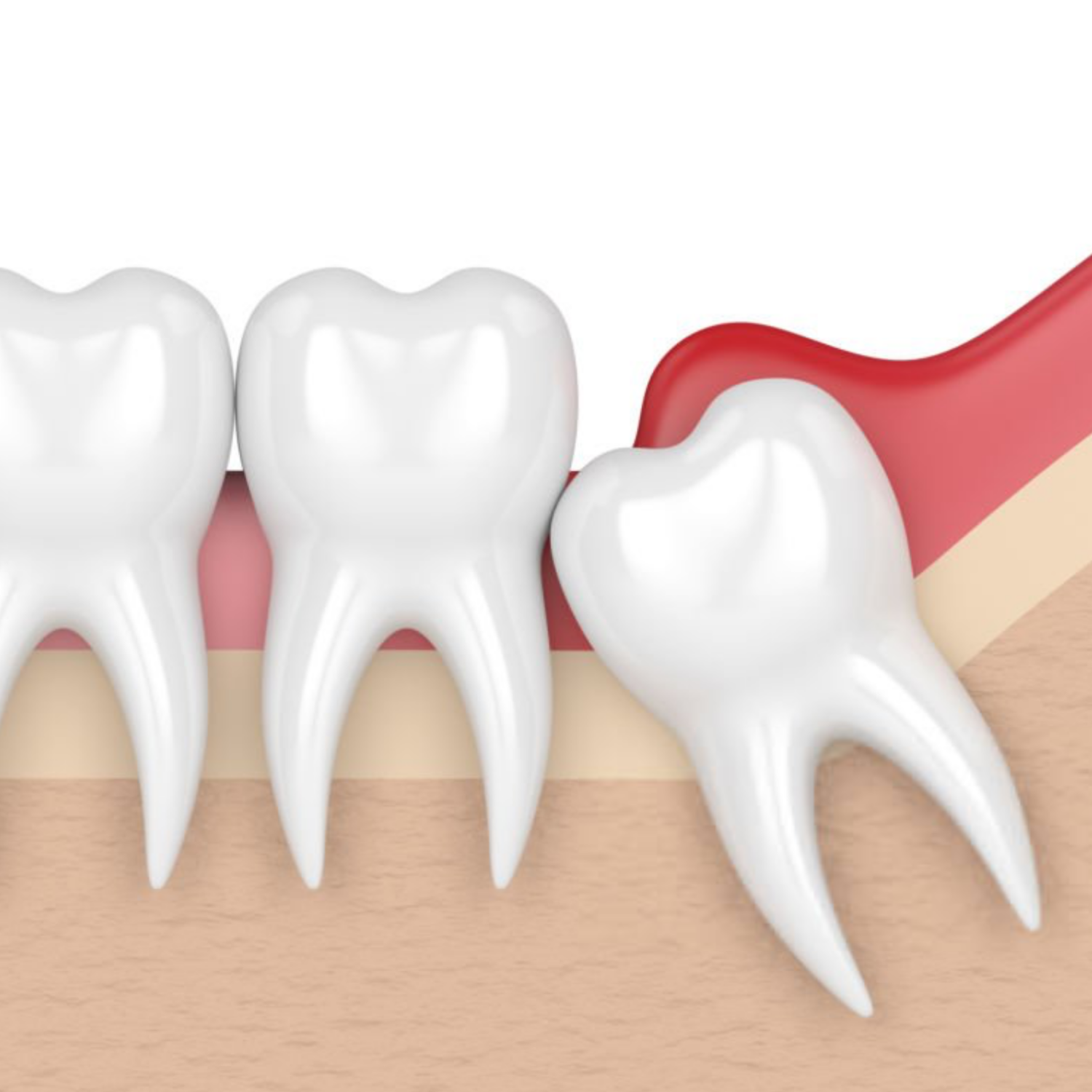
Pericoronitis is an inflammatory condition affecting the gum tissue surrounding a partially erupted tooth, most commonly a lower wisdom tooth. When a tooth does not fully emerge, a flap of gum tissue (known as an operculum) may remain over part of the crown. This creates a space where bacteria, plaque and food debris can accumulate. The resulting environment makes effective cleaning difficult.

Unlike tooth decay or nerve-related pain, pericoronitis is primarily a soft-tissue problem, not an issue with the tooth’s pulp or root. This distinction is important when considering appropriate treatment options.

Why Wisdom Teeth Are Most Affected

Wisdom teeth are particularly prone to pericoronitis because they:

  • Erupt later in life
  • Often lack sufficient space
  • May be angled or partially impacted

These factors increase the likelihood that the tooth will remain partially covered by gum tissue, creating the ideal environment for recurrent inflammation and infection.

Common Symptoms to Look Out For

Pericoronitis can present in a range of ways, from mild to severe.

Typical symptoms include:

  • Pain at the back of the mouth
  • Red, swollen or tender gum tissue
  • Bad taste or bad breath
  • Difficulty chewing or opening the mouth

More serious signs include:

  • Facial swelling
  • Difficulty swallowing
  • Fever or general unwellness
  • Restricted mouth opening (trismus)

These symptoms may indicate a spreading infection and should be assessed promptly. Severe swelling or difficulty breathing requires urgent medical attention.

Acute vs Recurrent Pericoronitis

Understanding whether pericoronitis is a one-off episode or a recurring problem is key.

Acute pericoronitis

  • Sudden onset
  • Often linked to trapped food or reduced oral hygiene
  • May settle with local treatment

Recurrent pericoronitis

  • Repeated episodes over time
  • Indicates an ongoing anatomical problem
  • Rarely resolves permanently without surgical intervention

Recurrent inflammation is a strong clinical signal that the underlying cause has not been addressed. Each episode also carries a risk of increasing severity.

Is Pericoronitis a Root Canal Problem?

No — and this distinction is important.

Pericoronitis:

  • Does not originate from the tooth nerve
  • Is not treated with root canal therapy
  • Is not an endodontic condition

While antibiotics may be used in specific situations, they do not resolve the cause and should not be relied upon as a long-term solution. Overuse of antibiotics can contribute to resistance and recurrence.

How Is Pericoronitis Treated?

Short-term management

Initial treatment focuses on reducing inflammation and infection:

  • Careful cleaning and irrigation of the area
  • Improved oral hygiene measures
  • Pain relief
  • Antibiotics only where there are signs of systemic infection

Antibiotics alone are not a definitive treatment. They should be viewed as supportive rather than curative.

Definitive Treatment: Addressing the Cause

For patients experiencing repeated episodes, definitive treatment is required.

Operculectomy

This involves removing the overlying gum tissue. While it may help in selected cases, recurrence is common if the tooth does not fully erupt. It is usually considered a temporary or adjunctive measure.

Wisdom tooth removal

Removal of the problematic wisdom tooth is widely regarded as the most reliable long-term solution for recurrent pericoronitis. It eliminates the anatomical cause and prevents further infection. This approach addresses the root cause rather than the symptoms.

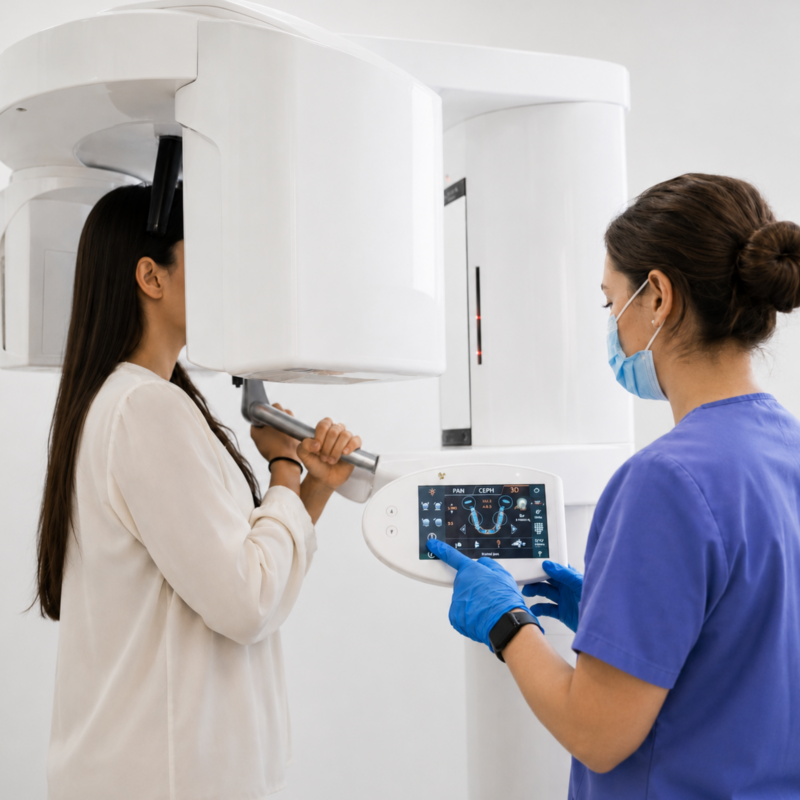
Because wisdom tooth surgery can involve complex anatomy and nearby nerves, this treatment falls within oral surgery and often requires specialist assessment. Dental radiographs are also essential to minimise surgical risk.

Evidence-Based Oral Surgery Practice

Modern oral surgery takes an evidence-based approach to the management of wisdom teeth. Research into third molar surgery has shown that early, carefully planned treatment can reduce the risk of complications and repeated infections. Earlier intervention is often associated with simpler surgery and faster recovery

Consultant Oral Surgeons, including Dr Eleni Besi, have contributed to this body of work by highlighting the importance of considering factors such as symptom severity, recurrence, anatomical risk and patient age when deciding on treatment. Although pericoronitis affects the gum tissue, it is the management of the underlying wisdom tooth that ultimately determines long-term outcomes.

For this reason, there is broad clinical agreement that recurrent pericoronitis should not be managed indefinitely with temporary measures alone. Definitive treatment reduces repeated flare-ups and emergency visits.

Why Delaying Treatment Can Be a Problem

Leaving recurrent pericoronitis untreated may lead to:

  • Increasing frequency and severity of infections
  • Spread of infection to surrounding tissues
  • Greater surgical difficulty with age
  • Repeated antibiotic use and reduced effectiveness

From both a patient and clinician perspective, early definitive treatment often results in better outcomes. This includes improved comfort and predictability of care.

When to See an Oral Surgeon

You should consider an oral surgery assessment if:

  • Symptoms keep returning
  • There is swelling, trismus or difficulty swallowing
  • X-rays show impaction or limited space
  • You have medical conditions that increase surgical risk

Specialist assessment allows for safe planning and tailored treatment. It also ensures clear discussion of risks, benefits and alternatives

Key Takeaways

  • Pericoronitis is inflammation of the gum around a partially erupted wisdom tooth
  • It is a soft-tissue condition, not a nerve or root problem
  • Recurrent episodes usually indicate the need for definitive treatment
  • Oral surgery plays a central role in long-term management
  • Early intervention can prevent complications and improve outcomes
  • Temporary measures alone are unlikely to resolve recurrent disease
BLOG BY

BLOG BY

Dental therapist Tania Rahela

More about Tania

More
from the blog

Veneers Vs composite bonding
Blog /Advice

Veneers Vs composite bonding

An Evidence-Based Comparison of Two Popular Cosmetic Dental Treatments

Read more
Dental Sedation Options Explained
Blog /Advice

Dental Sedation Options Explained

Safe Ways to Ease Anxiety During Treatment

Read more
Is High-Fluoride Toothpaste Safe?
Blog /Advice

Is High-Fluoride Toothpaste Safe?

Benefits, Risks, and How It Protects Against Tooth Decay

Read more
Nutritional Effects on Oral Surgery Outcomes
Blog /Advice

Nutritional Effects on Oral Surgery Outcomes

Preparing Your Body for Faster Recovery

Read more
PRF facials - Platelet-Rich Plasma
Blog /Advice

PRF facials - Platelet-Rich Plasma

Learn how platelet-rich fibrin treatments naturally restore youthful skin

Read more