
You may need a root canal if you have persistent tooth pain, pain when biting, sensitivity that lingers after hot or cold, swelling, or a darkened tooth. However, some infected teeth cause little or no pain, so a dental examination is the only way to be sure.
If something feels “not right” with a tooth and is not improving, it is worth having it assessed.

What Are the Signs You Need a Root Canal?
The most common signs are ongoing toothache, pain when biting, sensitivity to temperature, swelling, and tooth discolouration. Not all cases are painful.
Symptoms vary depending on the stage of the problem. Early irritation may cause sensitivity, while later stages, when the nerve has died, may cause fewer symptoms even though infection is present.
Symptom guide
| Symptom | What it may indicate |
|---|---|
| Persistent or throbbing pain | Ongoing inflammation or infection |
| Pain when biting | Infection affecting the root tip |
| Lingering sensitivity to hot or cold | Nerve irritation or damage |
| Swelling in the gum or face | Active infection or abscess |
| Pimple on the gum | Draining dental abscess |
| Darkened tooth | Loss of blood supply inside the tooth |
Less obvious signs
- Pain that is difficult to localise
- A feeling that the tooth is slightly raised
- Discomfort spreading to the jaw, ear, or sinus
When you should not delay care
- Facial swelling
- Difficulty swallowing
- Severe or worsening pain
These symptoms require urgent dental assessment.
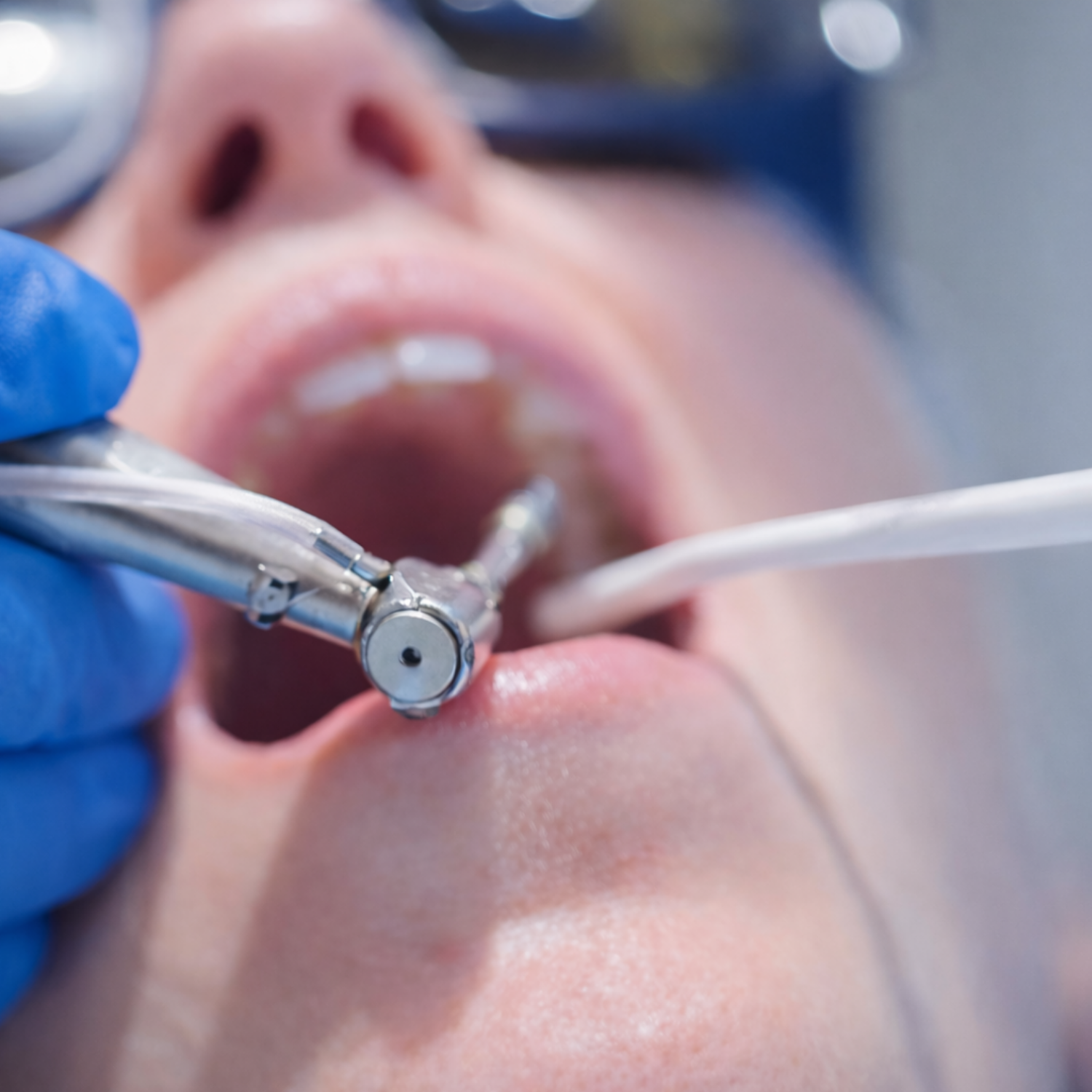
Do I Need a Root Canal Even If I am Not in Pain?
Yes, a tooth can require a root canal even if there is no pain.
If the nerve inside the tooth has already died, pain may reduce or disappear. However, infection can still be present and may spread into the surrounding bone over time.
The absence of pain does not mean that the tooth is healthy.
What Causes a Root Canal?
A root canal is required when bacteria damage the inner part of the tooth, most commonly due to decay, cracks, or trauma.
The inner tissue of the tooth cannot recover once it has been irreversibly damaged. Bacteria entering through decay or structural defects lead to infection, which can extend beyond the tooth if left untreated.
Most common causes
- Deep tooth decay
- Cracks or fractures in the tooth
- Tooth grinding or excessive wear
- Trauma or injury
- Repeated dental procedures
- Advanced gum disease affecting the roots
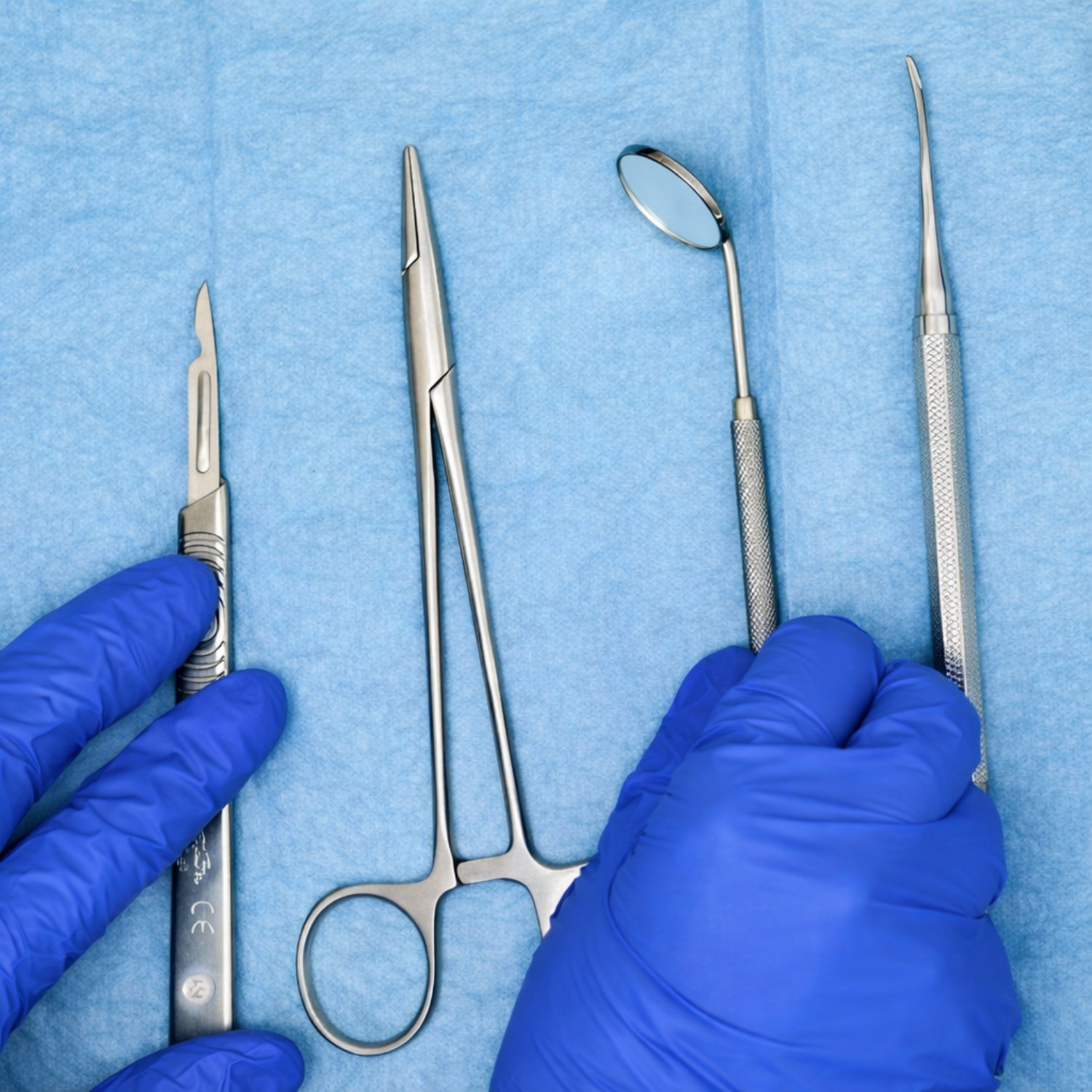
Does a Root Canal Hurt?
Root canal treatment is usually no more uncomfortable than having a filling.
The pain commonly associated with root canals is caused by the infection before treatment. During the procedure, the tooth is numbed with local anaesthetic, and most patients experience minimal pressure rather than pain.
What to expect
- Local anaesthetic is used
- Minimal discomfort during treatment
- Mild soreness may occur afterwards
- Symptoms usually settle within a few days
What Happens If You Delay a Root Canal?
Delaying treatment allows the infection to progress, which may reduce the likelihood of saving the tooth.
Once the inner tissue is infected or has died, it cannot heal. Bacteria may spread into the surrounding bone, leading to more complex problems over time.
Typical progression
- Damage to the nerve inside the tooth
- Infection spreads beyond the tooth
- Bone around the tooth becomes affected
- The tooth may no longer be restorable
Early treatment is generally simpler and more predictable.
What Is a Root Canal and How Does It Work?
A root canal removes infected tissue from inside the tooth, cleans the canals, and seals them to prevent reinfection.
Step-by-step overview
- The tooth is numbed
- Infected tissue is removed
- The canals are cleaned and shaped
- The space is disinfected
- The canals are sealed with filling material
- The tooth is restored, often with a crown

Should You Have a Root Canal or Remove the Tooth?
If the tooth can be predictably restored, preserving it is usually the preferred option. If not, removal may be recommended.
| Option | When it may be suitable |
|---|---|
| Root canal treatment | The tooth is structurally restorable |
| Tooth extraction | The tooth is too damaged or prognosis is poor |
How Long Do Root Canals Last?
Root canal-treated teeth can last many years, and sometimes decades, when properly restored and maintained.
Longevity depends largely on the strength of the remaining tooth and the quality of the restoration. Teeth may become more brittle over time, so additional protection is often required.
Conclusion
If you are asking whether you need a root canal, it usually indicates that something does not feel normal. While symptoms such as pain, sensitivity, or swelling can provide useful guidance, they are not always reliable indicators. Early professional assessment offers the best chance of resolving the problem effectively and preserving the natural tooth.
Think you may need a root canal?
Book nowCommonly asked questions
How do I know for certain if I need a root canal?
Only a dentist can confirm this through clinical examination and radiographs.
Can a tooth recover without a root canal?
If the inner tissue is irreversibly damaged, it cannot heal without treatment.
How urgent is a root canal?
If symptoms or infection are present, earlier treatment generally leads to better outcomes.
Is it better to remove the tooth instead?
This depends on the condition of the tooth and the long-term prognosis.
Will a root canal stop pain immediately?
It often relieves infection-related pain quickly, although mild discomfort may remain temporarily.
Our Team

More
from the blog

Blog /News
500 miles. 11,000m of climbing. One important cause.
Together we can make a difference
Read more
Blog /Offers
Free Invisalign Consultations This Summer
Explore clear aligners with complimentary whitening when you start treatment
Read more