Pond Square Dental
Children’s Dental Space Maintainers
Blog /Advice

Children’s Dental Space Maintainers

Protecting space for developing permanent teeth

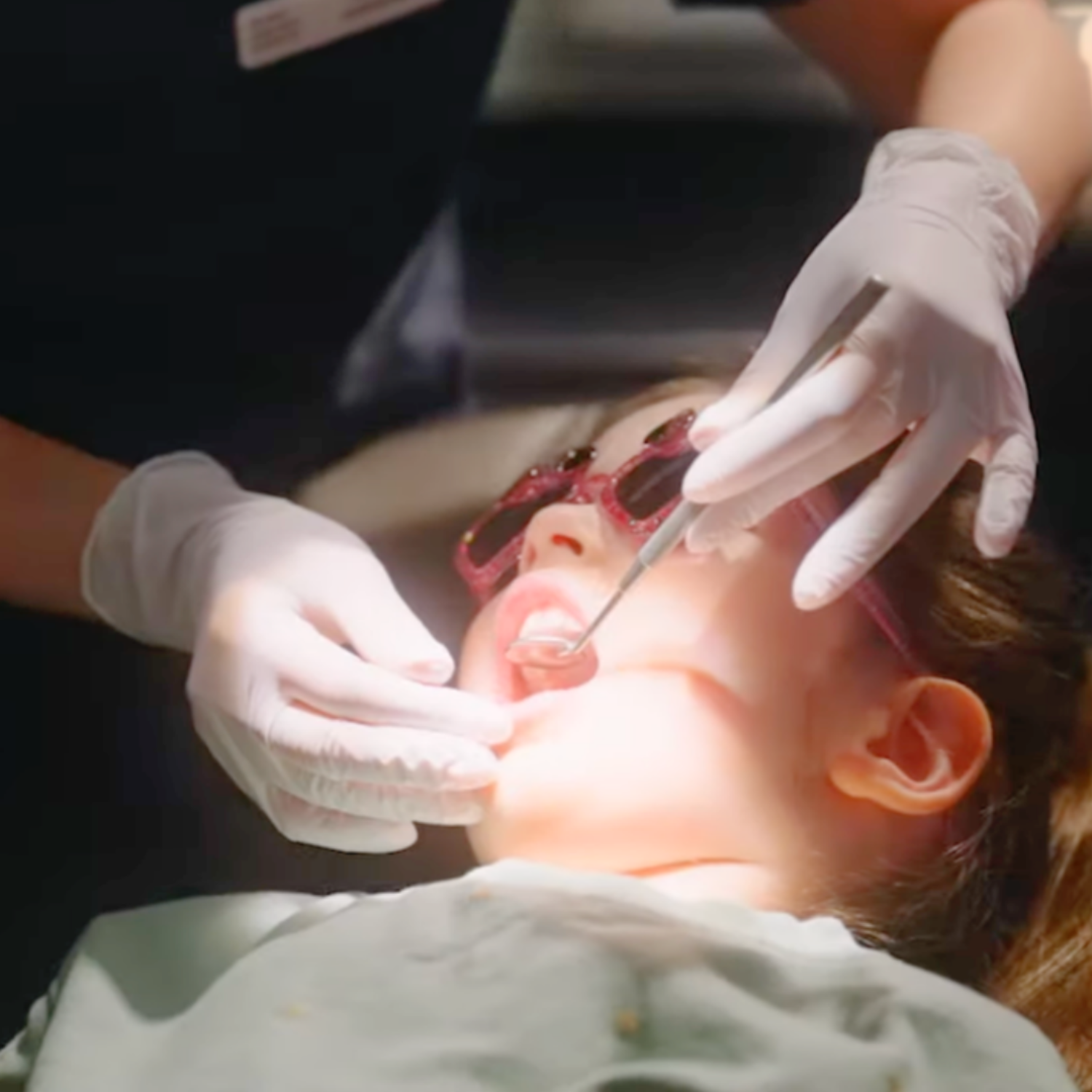
When a child loses a baby tooth earlier than expected, the surrounding teeth can begin to shift into the empty space. This natural movement can reduce the room available for the developing adult tooth and may affect how it eventually erupts.

A children’s dental space maintainer is a preventive dental appliance used to hold this space open until the permanent tooth is ready to come through. It is typically recommended following early tooth loss where there is a risk of unwanted tooth movement.
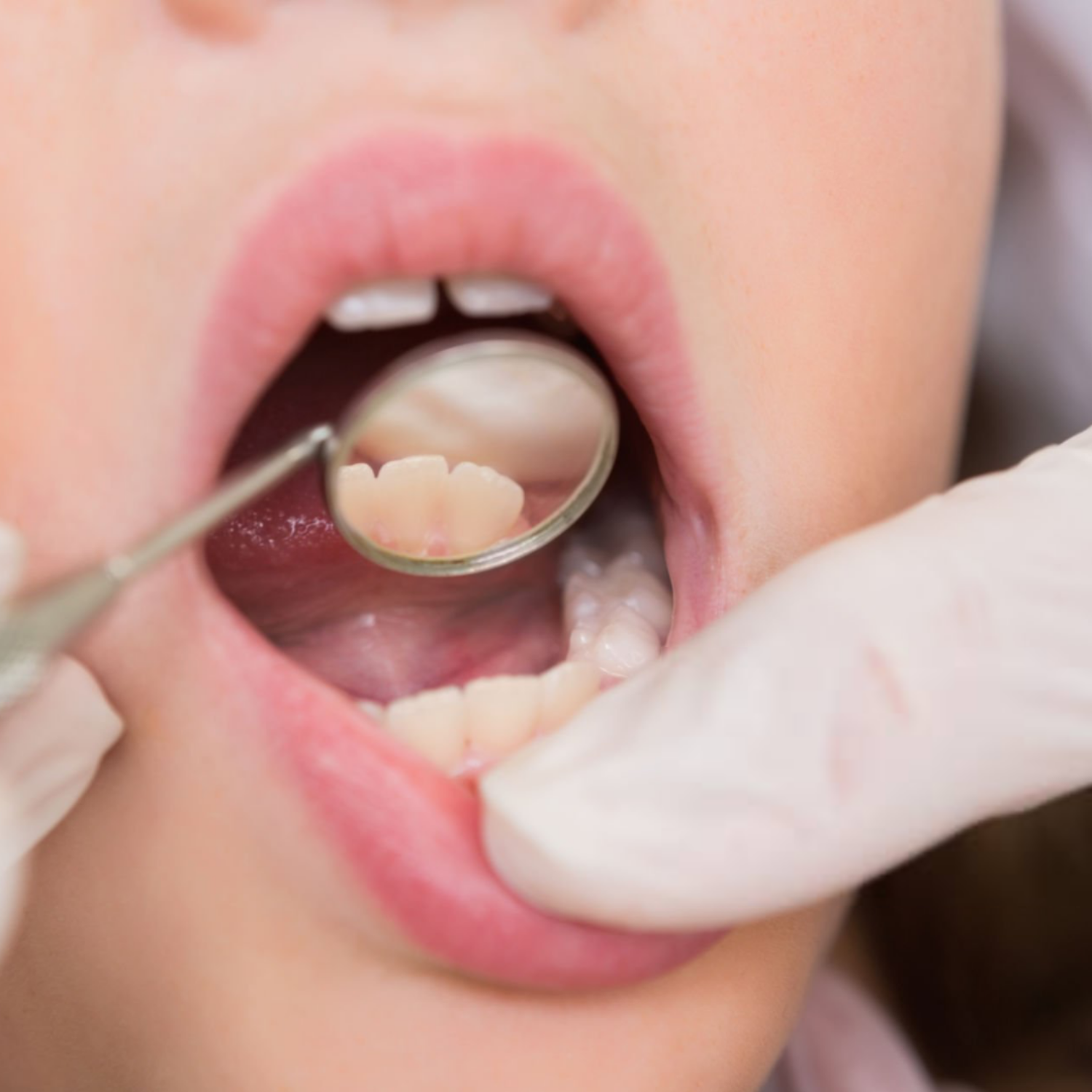
What Is a Dental Space Maintainer for Children?

What Is a Dental Space Maintainer for Children?

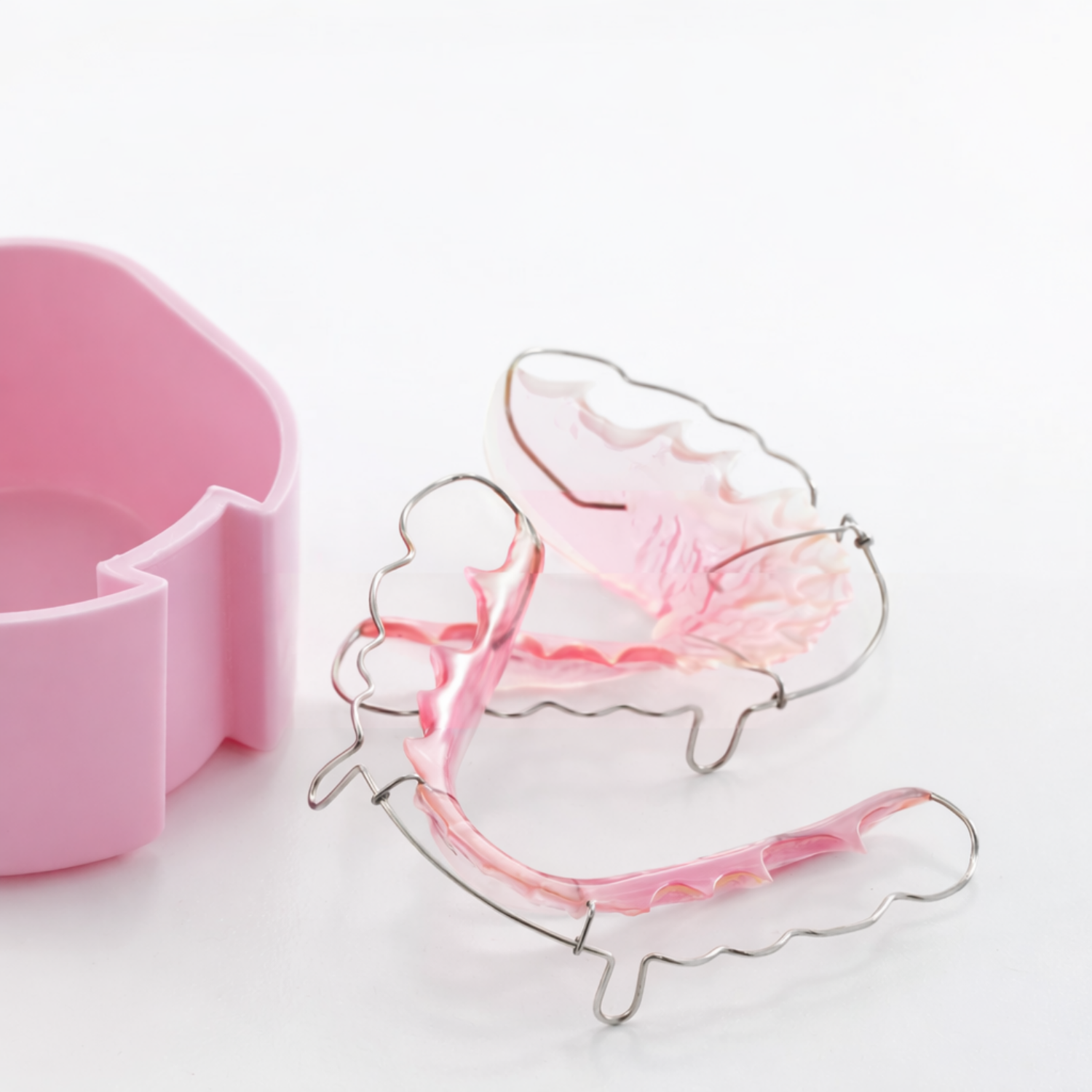
A dental space maintainer is a custom-made appliance used to preserve the gap left when a baby tooth is lost prematurely. It helps prevent neighbouring teeth from moving into this space while the permanent tooth continues developing beneath the gums.

Space maintainers are passive appliances, meaning they do not move teeth but instead maintain existing positions. They are used to support normal dental development rather than to correct established alignment problems.

What Happens If a Baby Tooth Is Lost Too Early?

Early loss of a baby tooth can affect how the surrounding teeth and developing permanent tooth interact within the dental arch.

This movement can lead to several potential problems:

  • Reduced space for the permanent tooth
  • Crowding of erupting adult teeth
  • Permanent teeth emerging out of alignment
  • Increased likelihood of need for orthodontic treatment later in childhood

Baby teeth play an important role in guiding the eruption of permanent teeth. When a tooth is lost prematurely, this guidance may be reduced, increasing the likelihood of changes in eruption position or alignment.

The impact depends on how early the tooth is lost and how close the permanent tooth is to erupting. In situations where space loss is likely, intervention may be considered to preserve normal development.

Why Timing Matters in Baby Tooth Loss

Baby teeth usually fall out in a predictable pattern between six and twelve years of age.

However, the permanent teeth beneath them may still be developing for several years before eruption.

Baby Tooth

Typical Age Lost

Permanent Tooth Eruption

Baby molar

9–11 years

Premolar at 10–12 years

Baby canine

9–12 years

Permanent canine at 11–13 years

If a baby tooth is lost several years earlier than expected, neighbouring teeth can gradually tip into the space.

Once the gap begins to close, the permanent tooth may erupt:

  • Crowded
  • Rotated
  • Partially blocked by neighbouring teeth
When Does a Child Need a Space Maintainer?

When Does a Child Need a Space Maintainer?

Not every early tooth loss requires treatment. Dentists carefully assess the situation before recommending a space maintainer.

A space maintainer may be advised when:

  • A baby tooth is lost due to severe decay
  • Infection requires early extraction
  • Trauma causes premature tooth loss
  • The permanent tooth is still years away from erupting
  • There is a risk of neighbouring teeth drifting into the gap

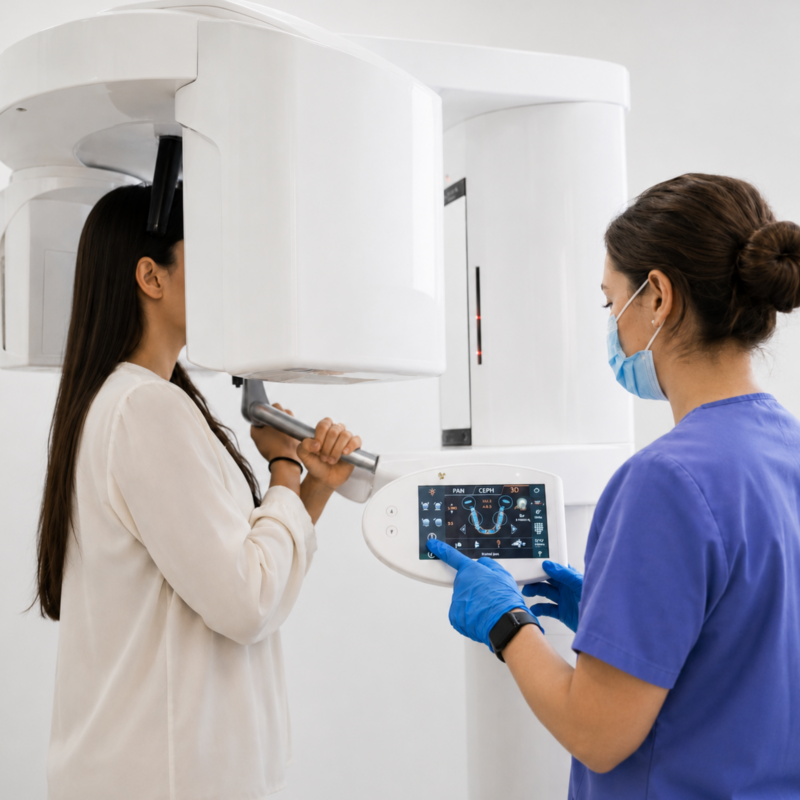
Dentists may use clinical examination and dental radiographs to assess the development and position of the permanent tooth.

This assessment helps determine whether monitoring alone is appropriate or whether intervention is justified based on the child’s individual risk factors.

Types of Children’s Dental Space Maintainers

The type of space maintainer used depends on which tooth has been lost, the number of missing teeth, and the child’s stage of dental development.

Type

Description

Typical Use

Band and loop

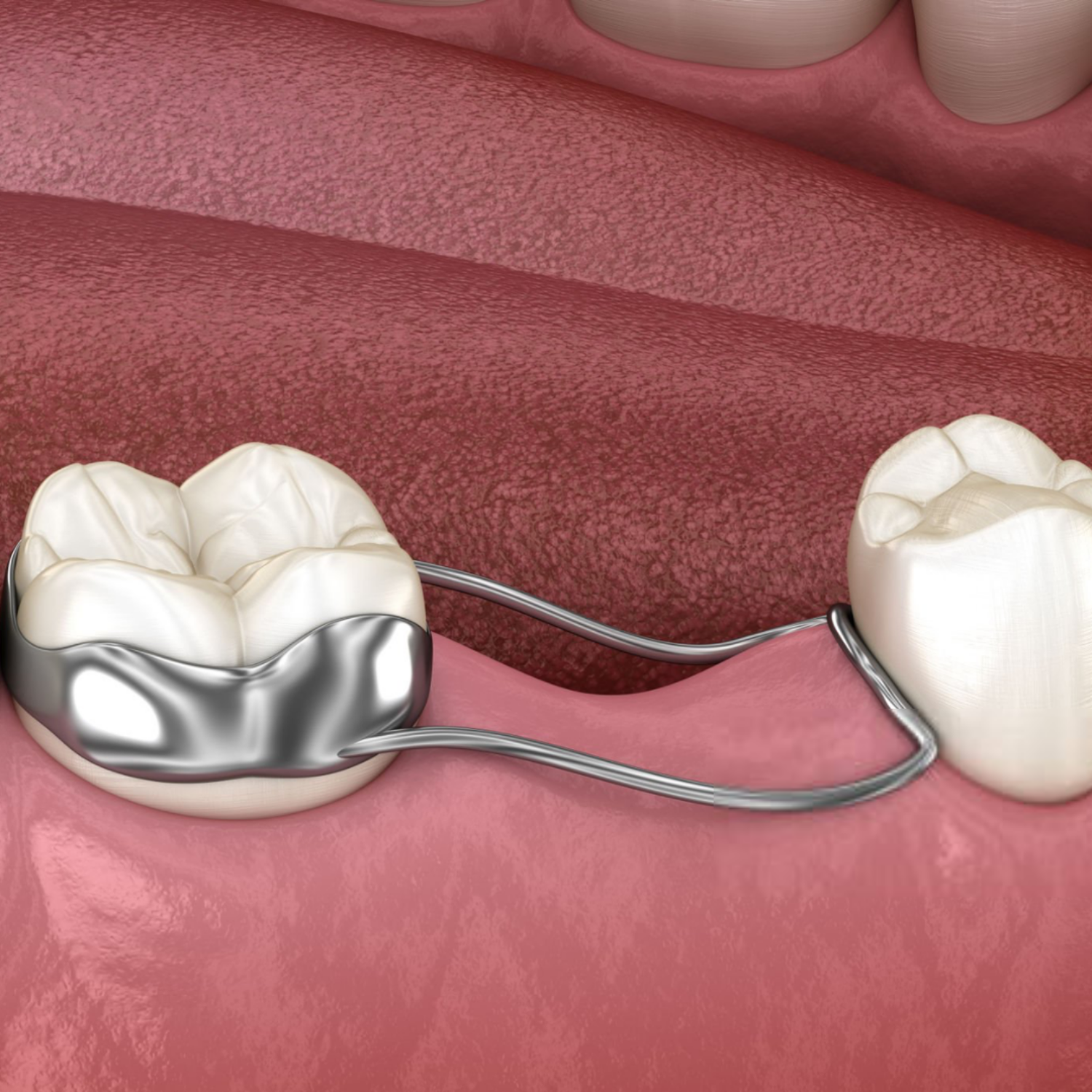
Metal band attached to a neighbouring tooth with a loop extending into the gap

Most common for a single missing baby molar

Crown and loop

Similar to band and loop but attached to a crown

Used when the supporting tooth requires restoration

Lingual holding arch

A wire running along the inside of the lower teeth

Used when multiple teeth are missing

Most space maintainers are fixed appliances, meaning they are cemented in place and removed only by a dentist.

What Is the Process for Getting a Space Maintainer?

What Is the Process for Getting a Space Maintainer?

Space maintainer treatment is usually straightforward and comfortable for children.

The process typically involves:

  1. Dental examination and X-rays to assess the developing permanent tooth
  2. Digital scans or impressions of the child’s teeth
  3. Custom fabrication of the appliance in a dental laboratory
  4. Placement appointment where the appliance is fitted and secured

The appliance remains in place until it is no longer required based on the child’s stage of dental development. Regular reviews allow the dentist to monitor the eruption and remove it at the appropriate time.

Do Space Maintainers Hurt?

Space maintainers are generally well tolerated by children.

Because the appliance is custom-made to fit the child’s teeth, most children adapt quickly after placement.

Some children may notice the appliance during the first few days, but discomfort is typically minimal and temporary.

How to Care for a Child’s Space Maintainer

How to Care for a Child’s Space Maintainer

Maintaining good oral hygiene is important while wearing a space maintainer. Teeth should be brushed carefully around the appliance, particularly near any bands or wires where plaque may accumulate.

Sticky foods such as toffees or chewing gum should be avoided, as they can dislodge the appliance. Regular dental examinations are also important to ensure the appliance remains secure and the surrounding teeth stay healthy.

Are Space Maintainers Always Necessary?

Space maintainers are not required in every case of early tooth loss. In some situations, natural spacing or the stage of tooth development means that no intervention is needed.

The decision depends on several factors:

  • The child’s age
  • The specific tooth that has been lost
  • The amount of space available
  • The stage of development of the permanent tooth

A dental assessment helps determine whether monitoring alone is appropriate or whether space maintenance may support healthy dental development.

Frequently asked questions

How long does a space maintainer stay in place?
It typically remains until the permanent tooth begins to erupt, which may take several months or several years depending on the child’s age.

Can children eat normally with a space maintainer?
Yes. Most foods can be eaten normally, although very sticky foods should be avoided.

Do space maintainers prevent the need for braces?
They do not replace orthodontic treatment but may reduce the likelihood of future crowding by preserving space for developing teeth.

Are space maintainers safe for children?
Yes. When properly fitted and monitored, space maintainers are a safe and common preventive treatment used in paediatric dentistry.

Key Takeaway

Early loss of a baby tooth can influence how permanent teeth emerge, particularly if it occurs several years before eruption is expected.

Careful assessment allows dentists to determine whether monitoring is sufficient or whether a space maintainer may support more predictable dental development.

Our Team

Our Team

More
from the blog

Hygiene Cleaning vs Periodontal Treatment
Blog /Advice

Hygiene Cleaning vs Periodontal Treatment

Understanding the difference between routine cleaning and gum disease treatment.

Read more
Pericoronitis
Blog /Advice

Pericoronitis

When Wisdom Teeth Cause More Than Just Discomfort

Read more
Veneers Vs composite bonding
Blog /Advice

Veneers Vs composite bonding

An Evidence-Based Comparison of Two Popular Cosmetic Dental Treatments

Read more
Dental Sedation Options Explained
Blog /Advice

Dental Sedation Options Explained

Safe Ways to Ease Anxiety During Treatment

Read more
Is High-Fluoride Toothpaste Safe?
Blog /Advice

Is High-Fluoride Toothpaste Safe?

Benefits, Risks, and How It Protects Against Tooth Decay

Read more
Nutritional Effects on Oral Surgery Outcomes
Blog /Advice

Nutritional Effects on Oral Surgery Outcomes

Preparing Your Body for Faster Recovery

Read more