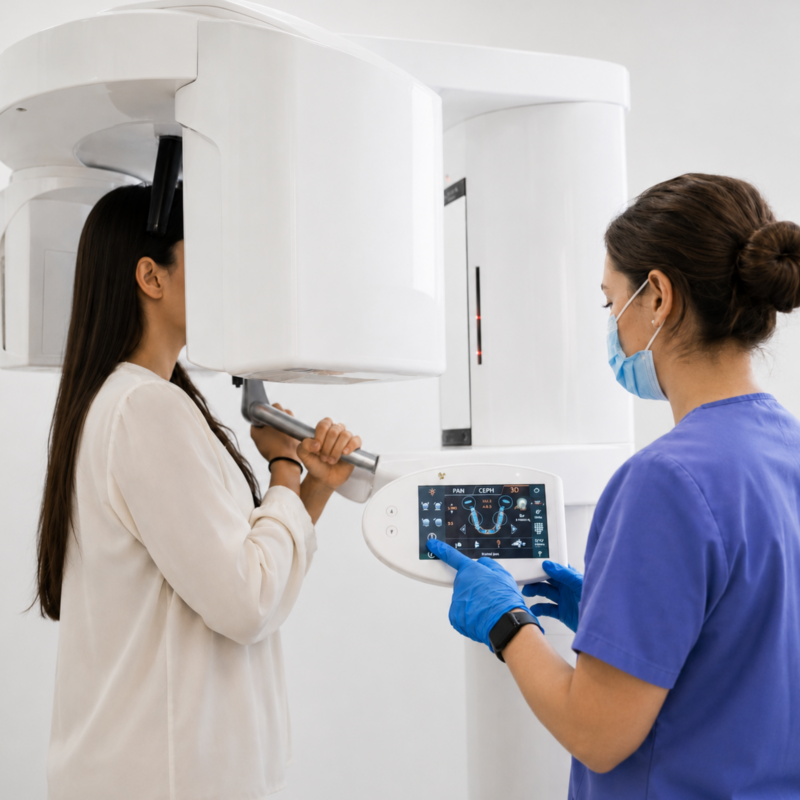
Being told you need a “deep clean” can feel confusing. It sounds similar to a routine hygienist appointment — yet clinically, the two are very different types of care.
Understanding that difference allows patients to make informed decisions about their care and what type of treatment is needed.
What Is a Hygiene Clean?
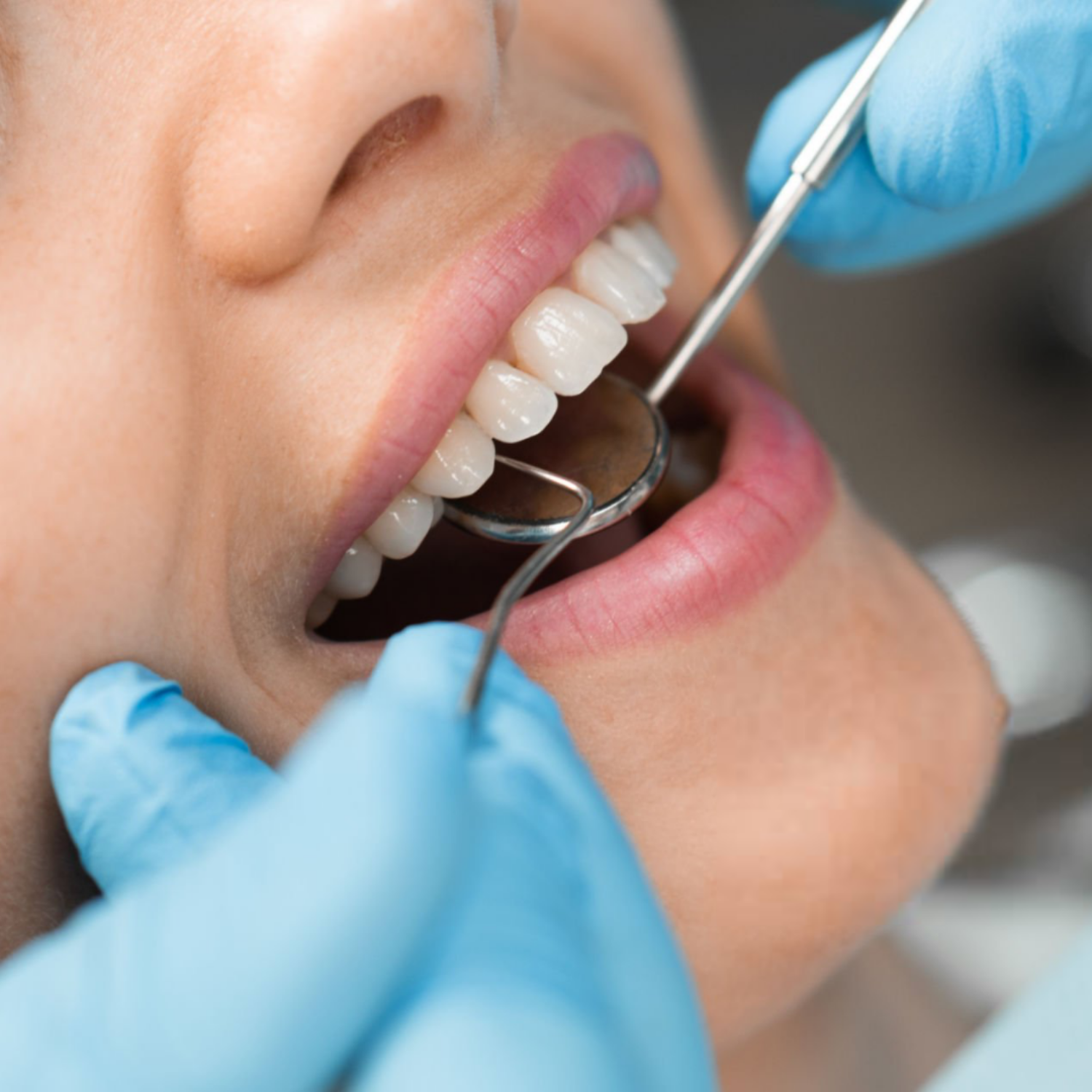
A routine hygiene clean (often referred to as scale and polish) is designed to maintain healthy teeth and gums.
Its purpose is to:
- Remove plaque and calculus above the gum line
- Reduce surface staining
- Support stable gum health
- Reinforce effective home care
It is appropriate when:
- Gum inflammation is mild (gingivitis) or absent
- Periodontal pocket depths are within healthy limits (typically 1–3 mm)
- No bone loss is present
This is preventative dentistry — maintenance of health rather than treatment of disease.
What Is Periodontal Treatment?
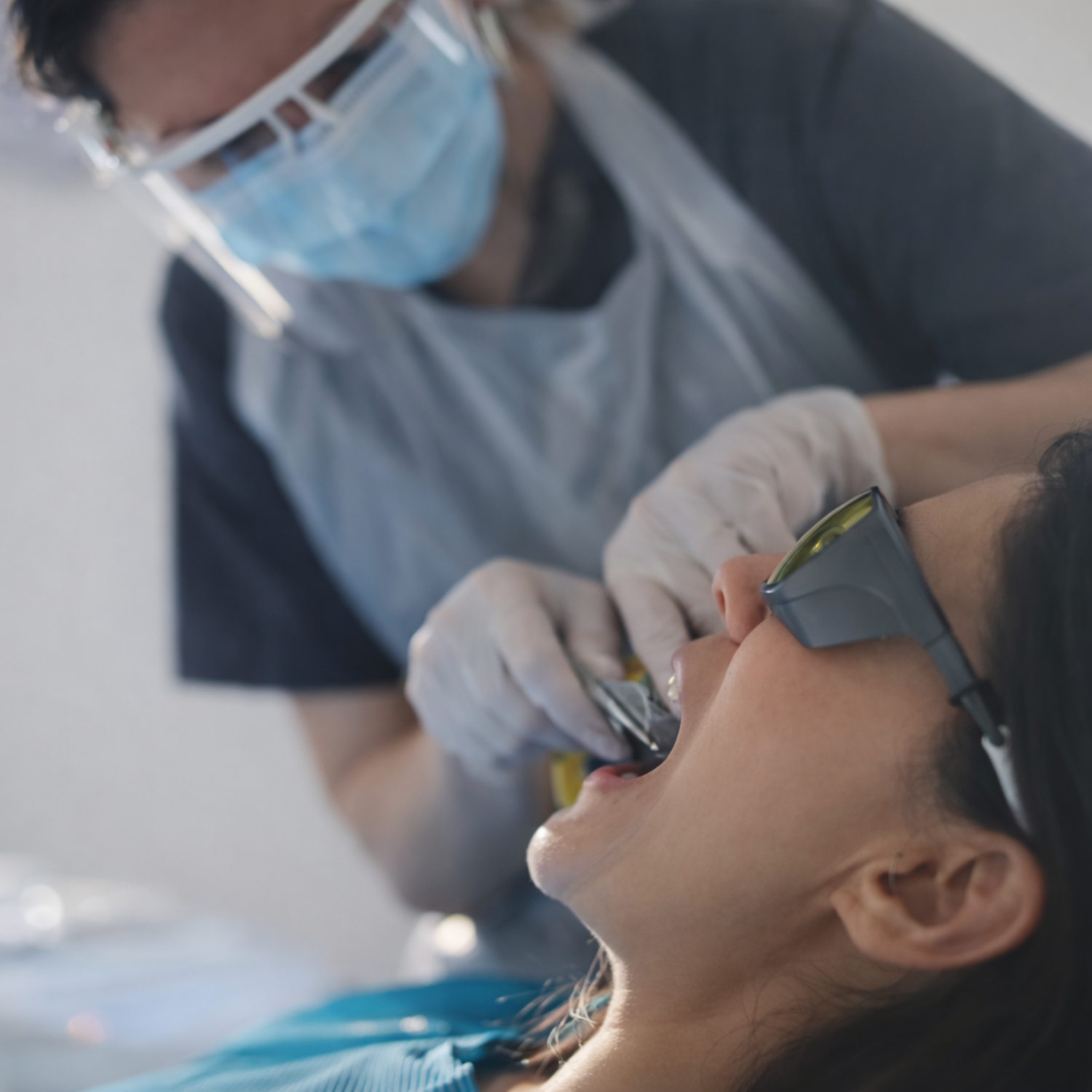
Periodontal treatment — often referred to as non-surgical periodontal therapy, or informally as a “deep clean” — is the management of periodontitis.
Periodontitis is a chronic inflammatory condition involving:
- Infection below the gum line
- Breakdown of the periodontal ligament
- Loss of supporting bone
- Formation of periodontal pockets
The objective is to disrupt bacterial biofilm deep below the gum margin, reduce inflammation, and stabilise attachment levels.
Unlike a routine clean, this therapy often:
- Requires local anaesthetic
- Is delivered over multiple visits
- Involves structured reassessment
It is disease control, not cosmetic cleaning.
Hygiene Cleaning vs Periodontal Treatment
| Feature | Hygiene Cleaning | Periodontal Treatment |
|---|---|---|
| Primary Aim | Prevention | Disease management |
| Gum Condition | Healthy or gingivitis | Established periodontitis |
| Pocket Depths | 1–3 mm | 4 mm or greater |
| Bone Loss | No | Present |
| Anaesthetic | Rarely required | Often required |
| Appointment Structure | Routine recall | Staged therapy + review |
| Ongoing Care | Standard maintenance | Periodontal maintenance programme |
How Dental Professionals Diagnose the Difference
A recommendation for periodontal treatment is grounded in clinical assessment.
Diagnosis typically includes:
- Periodontal probing: Measuring pocket depths around each tooth
- Radiographs: Assessment of bone levels
- Clinical attachment loss: Evidence of structural support reduction
In the UK practice, a Basic Periodontal Examination (BPE) may first indicate areas requiring more detailed charting.
Periodontal disease is diagnosed using clinical measurements such as probing depths, clinical attachment loss, and radiographic bone assessment, not by how clean the teeth appear.
Symptoms That May Indicate the need for Periodontal Treatment
Early periodontitis is often painless. Signs may include:
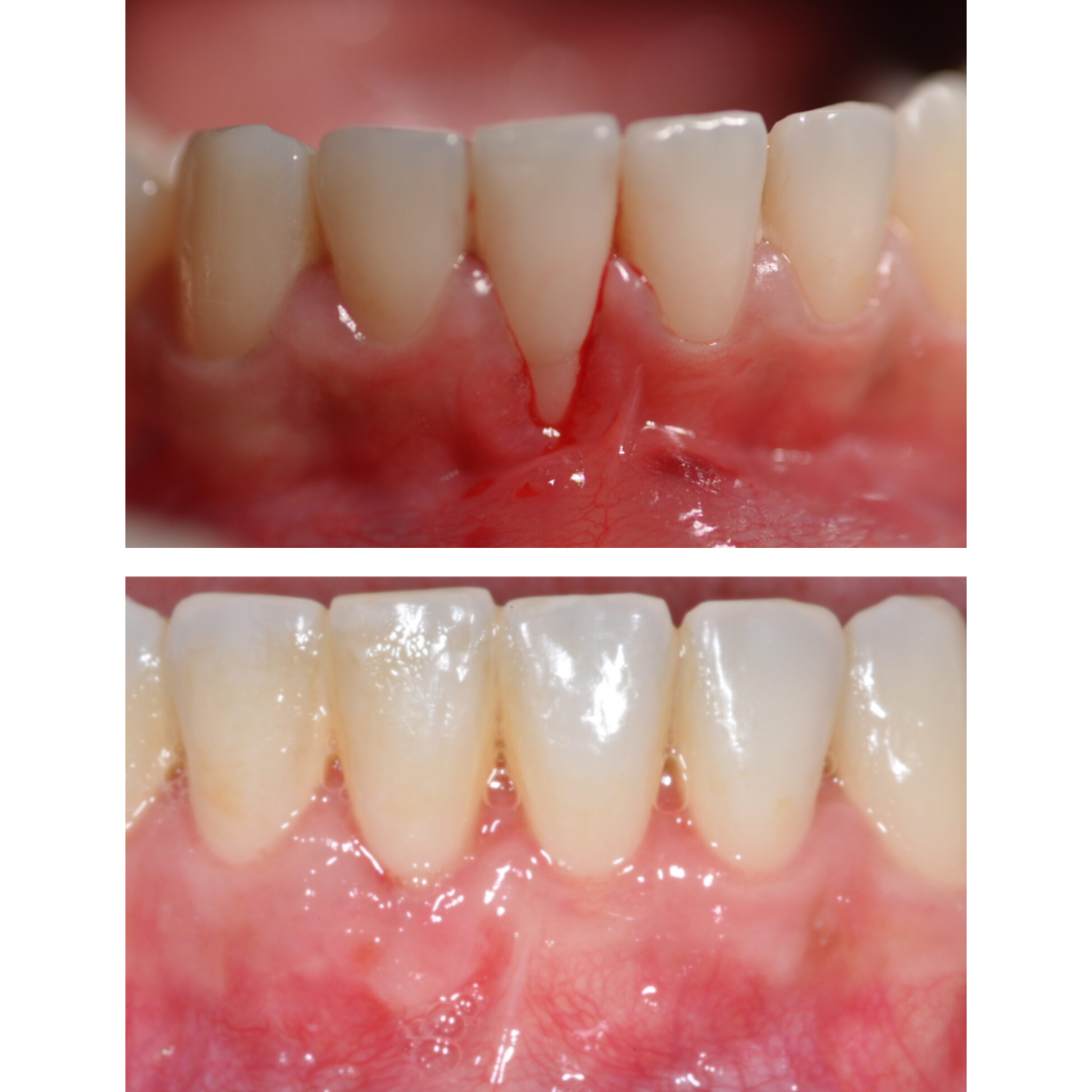
- Persistent bleeding when brushing
- Gum recession
- Teeth appearing longer
- Spacing developing between teeth
- Bad breath that does not resolve
- Occasional tooth mobility
However, the absence of discomfort does not imply absence of disease. Early periodontal disease is often painless. Many cases are detected during routine examination.
Risk Factors for Periodontal Disease
Gum disease is multifactorial. Contributing factors may include:
- Smoking or vaping
- Uncontrolled diabetes
- Genetic susceptibility
- High stress levels
- Inconsistent oral hygiene
- Certain medication
- Dry mouth (xerostomia)
- Hormonal changes
- Age
- Previous history of gum/periodontal desease
These influence progression and long-term stability, even with regular cleaning.
Why It Matters Long-Term
Untreated periodontitis leads to progressive bone loss. Over time, this can result in:
- Tooth mobility
- Tooth loss
- Compromised suitability for future implants
- Aesthetic changes due to gum recession
- Impacts on lifestyle, including difficulty eating, speaking or reduced quality of life
While periodontitis cannot be reversed, it can often be stabilised with appropriate intervention and maintenance.
Early management improves predictability.
What Happens If It Is Not Treated?
Without structured periodontal therapy:
- Inflammation persists
- Pocket depths may increase
- Bone support continues to reduce
- Long-term restorative options become more complex
- Aesthetic concerns due to gum recession and cognitive decline
- Associations with certain cancers (like colorectal cancer)
Routine hygiene cleaning alone cannot arrest established periodontitis.
Summary
A hygiene clean maintains healthy gums and prevents disease.
Periodontal treatment manages established gum/periodontal disease and aims to stabilise bone support.
They serve different biological purposes.
If you have been advised to undergo gum disease treatment, the recommendation is based on measurable findings such as pocket depth, bone levels, and attachment stability. The objective is the preservation of your natural teeth through evidence-based care.
Accurate diagnosis leads to appropriate care. Informed patients make better long-term decisions.

Blog by - Dental therapist Tania Rahela
More
from the blog

Blog /News
500 miles. 11,000m of climbing. One important cause.
Together we can make a difference
Read more
Blog /Offers
Free Invisalign Consultations This Summer
Explore clear aligners with complimentary whitening when you start treatment
Read more